Author: engkimbs

  • Debugging Kids’ Skin Issues

    Debugging Kids’ Skin Issues

    When Your Child’s Skin Throws an Exception

    Every developer knows that mysterious errors require systematic debugging. The same principle applies when your child develops unexplained rashes, persistent eczema, or sudden breakouts. Unlike dental issues that follow a predictable maintenance schedule, skin problems in children can feel like production incidents — they appear without warning, the root cause isn’t always obvious, and parents need a methodical approach to isolate and resolve them.

    Just as we don’t ignore error logs hoping they’ll resolve themselves, skin conditions in children require attention. What starts as a minor rash can escalate into infected skin, sleep disruption from itching, or long-term scarring if left unaddressed. The good news is that most pediatric skin issues are highly treatable when caught early and managed consistently.

    Common Skin Bugs in the Pediatric Codebase

    Children’s skin is fundamentally different from adult skin — thinner, more permeable, and still developing its protective barrier functions. This makes kids more susceptible to certain conditions that rarely affect adults.

    Eczema (Atopic Dermatitis) is perhaps the most common childhood skin condition, affecting up to 20% of children. It presents as dry, itchy patches that can crack and weep. The condition often improves with age, but during active phases, it requires consistent management: fragrance-free moisturizers applied multiple times daily, gentle cleansers, and sometimes prescription topical steroids during flare-ups.

    Contact Dermatitis works like a bad dependency — your child’s skin reacts to something in the environment. Common triggers include nickel in jewelry, fragrances in soaps, or preservatives in lotions. Identifying and removing the trigger is the definitive fix, though this often requires detective work and sometimes patch testing by a specialist.

    Viral Rashes are the temporary bugs of childhood skin issues. Hand-foot-and-mouth disease, roseola, and fifth disease all produce characteristic rashes that resolve on their own. The key is distinguishing these self-limiting conditions from bacterial infections that require treatment.

    Building a Preventive Maintenance Routine

    Just as regular code reviews prevent bugs from reaching production, a consistent skincare routine prevents many childhood skin issues from developing in the first place.

    The foundation is proper hydration — both internal and external. Children should drink adequate water throughout the day, and their skin needs regular moisturizing, especially after bathing. The best time to apply moisturizer is within three minutes of getting out of the bath, while skin is still slightly damp. This locks in moisture rather than trying to add it to already-dry skin.

    Bath time itself requires optimization. Hot water strips natural oils from skin, so lukewarm water is better. Short baths (10 minutes or less) cause less dryness than long soaks. Harsh soaps disrupt the skin barrier, so fragrance-free, gentle cleansers formulated for children work best. Think of it as choosing the right tool for the job — you wouldn’t use a industrial-strength cleaner where a gentle solution suffices.

    Sun protection is another critical preventive measure. UV damage accumulates over a lifetime, and severe sunburns in childhood significantly increase melanoma risk later. Broad-spectrum sunscreen with SPF 30 or higher, reapplied every two hours during outdoor activities, provides the defense layer children’s skin needs.

    When to Escalate to a Specialist

    General pediatricians can manage many common skin conditions, but some situations warrant consulting a dermatologist who specializes in pediatric cases. Red flags include rashes that don’t respond to initial treatment, skin infections that recur frequently, severe eczema that disrupts sleep or daily activities, or any concerning moles or growths.

    The challenge for many parents is finding pediatric dermatology expertise, especially in areas where specialists are scarce. Some families travel considerable distances for specialized care. In fact, parents in international communities sometimes seek treatment abroad when local options are limited. For instance, some expatriate families have found quality pediatric dermatology services at specialized facilities like a skin clinic in gangnam, where English-speaking staff and modern treatment protocols cater to international patients seeking solutions for persistent childhood skin conditions.

    The Allergy Connection: Debugging Deeper Issues

    Skin problems in children often have roots in the immune system. Eczema, for example, frequently appears alongside food allergies, asthma, and hay fever — a cluster doctors call the “atopic march.” A child with severe eczema in infancy has a higher risk of developing these other atopic conditions later.

    This interconnection means that persistent skin issues sometimes require looking beyond topical treatments. Allergists can perform testing to identify food triggers that may be exacerbating eczema. Eliminating confirmed allergens from the diet can dramatically improve skin symptoms in some children, though this should only be done under medical supervision to ensure nutritional needs are still met.

    Environmental allergies also manifest through skin. Pollen, dust mites, and pet dander can trigger both respiratory symptoms and skin reactions. Managing the child’s environment — using allergen-proof bedding covers, maintaining low humidity to discourage dust mites, and using HEPA filters — addresses root causes rather than just treating symptoms.

    The Psychological Impact: User Experience Matters

    Visible skin conditions affect more than physical health. School-age children with eczema, psoriasis, or acne can face teasing from peers, leading to social anxiety and reduced self-esteem. Severe itching disrupts sleep, which cascades into behavioral issues, difficulty concentrating at school, and family stress.

    Developer parents understand that user experience isn’t superficial — it’s central to whether a system succeeds or fails. The same applies to managing children’s skin conditions. Treatment plans need to be sustainable, not just effective in theory. A complicated multi-step routine that requires perfect compliance might work beautifully in clinical trials but fail in real family life. Finding the simplest effective regimen increases the likelihood that it will actually be followed.

    Emerging Tools and Techniques

    Pediatric dermatology has seen significant advances in recent years. Biologic medications now offer options for severe eczema that doesn’t respond to traditional treatments. These targeted therapies work by modulating specific immune pathways, offering relief for children who previously had limited options beyond steroids.

    Telemedicine has also expanded access to specialist care. Parents can often get initial consultations, follow-up appointments, and prescription renewals through video visits, reducing the burden of traveling to distant specialists for routine management. Some conditions do require in-person examination, but teledermatology filters out cases that need urgent attention from those that can be managed remotely.

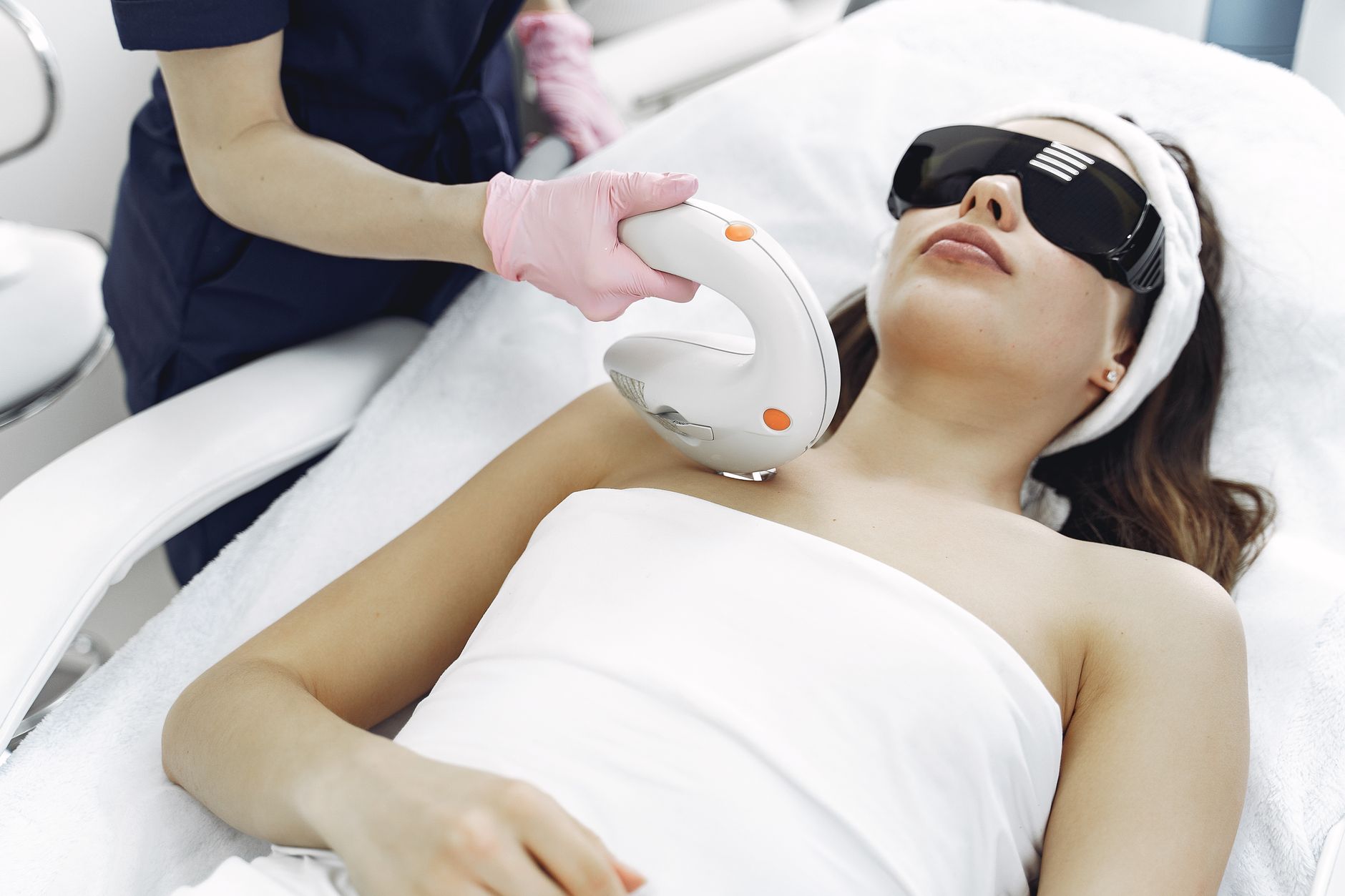
    Phototherapy — controlled exposure to specific wavelengths of light — provides another tool for managing conditions like eczema and psoriasis in children old enough to tolerate the treatments. While it requires multiple sessions per week, phototherapy offers a steroid-sparing option for moderate to severe cases.

    Documentation and Iteration

    Managing chronic skin conditions in children requires good record-keeping. Photographing affected areas provides objective data on whether treatments are working. Keeping a journal of flare-ups, potential triggers, products used, and weather conditions can reveal patterns that aren’t obvious day-to-day.

    This documentation proves invaluable during medical appointments. Rather than relying on memory, parents can show providers exactly what the rash looked like at its worst, how it responded to previous treatments, and what factors seem to correlate with improvements or setbacks. This data-driven approach helps specialists make more informed treatment decisions.

    The Long-Term Build

    Most childhood skin conditions improve significantly with age as the immune system matures and skin barrier function strengthens. Eczema that required daily management in toddlerhood often resolves or becomes mild enough to need only occasional treatment by adolescence. But the habits established during those early years — sun protection, gentle skincare, moisturizing — provide lasting benefits.

    Teaching children to care for their own skin as they grow older is part of the handoff process. By elementary school, kids can learn to apply their own moisturizer and recognize when a flare-up is starting. By adolescence, they should understand their triggers, know which products work for their skin, and when to seek help. This gradual transfer of ownership ensures they’re equipped to manage their skin health independently as adults.

    The developer mindset serves parents well when facing pediatric skin issues: break down complex problems, test solutions systematically, iterate based on results, and don’t hesitate to consult specialists when the issue exceeds your domain expertise. Children’s skin conditions may not have the elegance of a well-architected system, but with patience and persistence, most can be successfully debugged.

  • Finding Quality Pediatric Dentistry

    Finding Quality Pediatric Dentistry

    The Search Algorithm for Great Pediatric Dental Care

    When you’re raising kids in a rapidly developing area, finding quality healthcare becomes a priority task on your parental sprint. Whether you’re a local family or relocating for work, the question of where to find trustworthy pediatric dental care hits differently when you’re in a newer district where clinics are multiplying as fast as the apartment complexes. The good news? Modern pediatric dentistry has leveled up significantly, and understanding what separates excellent care from adequate care is like knowing which tech stack will scale versus which will create maintenance nightmares down the road.

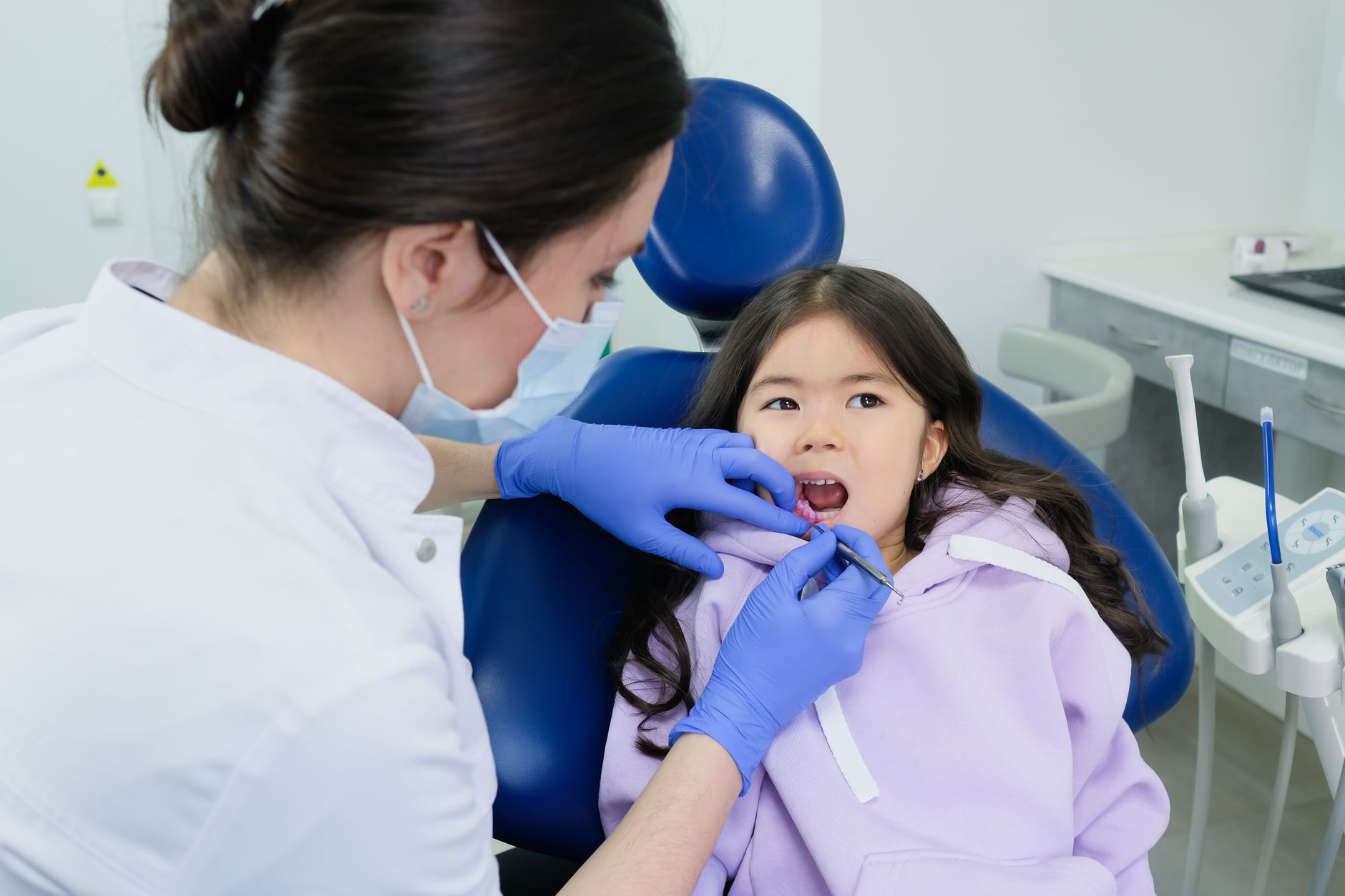
    Areas experiencing rapid growth often see an influx of new medical facilities, and pediatric dentistry in geomdan exemplifies this trend. As a newly developed district in Incheon, Geomdan has attracted young families and modern healthcare providers alike, making it an interesting case study for what tech-savvy parents should prioritize when evaluating dental care options for their children.

    Infrastructure Matters: The Clinic Tech Stack

    Just as you wouldn’t deploy production code on outdated servers, you shouldn’t settle for pediatric dental care using yesterday’s equipment. Modern pediatric dentistry leverages technology that makes procedures faster, more accurate, and significantly less intimidating for young patients. Digital radiography reduces radiation exposure by up to 90% compared to traditional X-rays while delivering instant results. Intraoral cameras transform abstract explanations into visual evidence kids can actually understand — seeing the cavity on a screen makes it real in a way that “you have a boo-boo on your tooth” never will.

    Laser dentistry represents another significant upgrade. For certain procedures, lasers can replace the drill entirely, eliminating the anxiety-inducing sound and vibration that traumatizes so many children. The recovery time is often faster, and the precision is superior. When evaluating clinics, ask about their equipment vintage. A practice that invested in modern technology within the last few years signals both financial health and a commitment to staying current with best practices.

    The User Experience Design of Pediatric Clinics

    Developer parents understand that user experience isn’t superficial — it’s fundamental to adoption and retention. A pediatric dental clinic’s UX design begins the moment you walk through the door. Is the waiting room optimized for the actual users (kids), or is it an adult space with a toy basket thrown in the corner as an afterthought? Does the staff speak to children in age-appropriate language, or do they talk over kids’ heads to parents exclusively?

    The best pediatric dentists employ a technique called “tell-show-do” — explaining a procedure in simple terms, demonstrating it on a model or the parent, then performing it on the child. This predictability reduces anxiety significantly. It’s the same principle behind good documentation: people fear the unknown, and clear communication transforms a scary black box into an understandable process.

    Color schemes, lighting, and even scent matter more than you might think. Bright, cheerful environments with natural light reduce stress hormones. Some cutting-edge practices have abandoned the clinical antiseptic smell entirely in favor of neutral or subtly pleasant scents. These details aren’t frivolous — they’re the difference between a child who cooperates calmly and one who requires physical restraint for a simple cleaning.

    Specialization Versus General Practice: When It Matters

    General dentists can certainly treat children, and many do excellent work. But pediatric dentists complete an additional two to three years of specialized training focused exclusively on child development, behavior management, and the unique dental needs of growing mouths. It’s the difference between a full-stack developer and a specialist who lives and breathes frontend optimization — both can build a website, but the specialist brings depth that shows in edge cases.

    For routine checkups and cleanings, a family dentist may be perfectly adequate, especially if your child is cooperative and has no special needs. But for complex treatments, behavioral challenges, or children with anxiety, medical conditions, or developmental differences, a pediatric specialist’s training becomes invaluable. They’re also better equipped to handle dental emergencies in young children, where quick decisions about treatment versus referral can affect long-term outcomes.

    The Geographic Equation: Proximity Versus Quality

    Living in a developing area presents an interesting optimization problem. Newer districts often have newer facilities with modern equipment and fresh-from-residency dentists bringing current techniques. However, they may lack the deep operational experience and established reputations of practices in older neighborhoods. The convenience factor of having a clinic within walking distance can’t be dismissed — regular six-month checkups are far more likely to happen when they don’t require an hour-long commute.

    The ideal solution for many families is finding a newer practice led by an experienced pediatric dentist who relocated to serve a growing community. These practitioners bring proven expertise while leveraging modern facilities and equipment. When researching options, look beyond the practice opening date to the credentials and experience of the actual dentist who will treat your child.

    Red Flags and Green Flags: The Code Review Checklist

    When evaluating a potential pediatric dental practice, certain signals should immediately capture your attention. Green flags include: staff who greet your child by name and at eye level, a hygienist who explains what they’re doing during the cleaning, appointment scheduling that respects your child’s optimal time of day (morning for most young kids), and a dentist who answers your questions thoroughly without condescension.

    Red flags are equally important to recognize. Practices that rush through appointments, staff who seem annoyed by children’s normal behavior, excessive upselling of optional treatments without clear clinical justification, or refusal to discuss treatment alternatives all warrant caution. If a dentist recommends extensive treatment but won’t provide time for a second opinion or seems defensive when questioned, trust your instincts.

    Emergency accessibility matters too. Does the practice have provisions for urgent care, or will you be directed to a hospital emergency room for after-hours problems? A chipped tooth or knocked-out tooth requires prompt attention, and knowing your dentist’s emergency protocol before you need it reduces stress exponentially.

    Building the Long-Term Relationship

    Continuity of care in pediatrics carries significant value. A dentist who has tracked your child’s dental development from toddlerhood can spot emerging issues — like crowding or bite problems — far earlier than someone seeing the mouth for the first time at age eight. This longitudinal perspective enables proactive interventions that prevent more serious problems later.

    Think of it as technical debt in reverse: small, timely investments in prevention and early intervention compound into massive savings of time, money, and discomfort down the road. A dentist who knows your child’s history can also tailor their communication style to what works for that specific kid, building trust that makes even difficult procedures more manageable.

    The Insurance and Payment Infrastructure

    Before committing to a practice, verify their payment systems align with your situation. Do they accept your insurance? If not, are their fees reasonable enough to pay out-of-pocket, or will this create unsustainable financial strain? Some excellent pediatric dentists operate outside insurance networks, gambling that parents will pay premium rates for premium care. This can work well for families with financial flexibility but creates barriers for others.

    Payment plans for larger procedures, transparent pricing provided upfront, and staff who can clearly explain insurance coverage and out-of-pocket costs all indicate a practice that respects the financial reality of raising children. Surprise bills after treatment create resentment that poisons the doctor-patient relationship, regardless of clinical quality.

    Trust Your Parental Instincts

    Data-driven decision making has its place, but sometimes the most important signal is how your child responds to a provider. If your typically anxious child seems calm and engaged, that’s meaningful information. If your usually cooperative kid becomes resistant and stressed, pay attention. Children often perceive things adults miss — a subtle impatience, an inauthentic cheerfulness, a discomfort with messy kid behavior.

    Finding excellent pediatric dental care in any location requires research, trial and error, and sometimes compromise. But the investment pays dividends throughout childhood and beyond. Those early experiences shape not just dental health but attitudes toward healthcare generally, self-care habits, and the ability to advocate for oneself in medical settings. Choose thoughtfully, trust the process, and remember that building healthy teeth — like building quality software — is a marathon, not a sprint.

  • Korean Skin Lifting Treatments Guide

    Korean Skin Lifting Treatments Guide

    Korean aesthetic medicine has gained global recognition for its innovative approaches to non-surgical skin rejuvenation. When searching for information about Korean skin lifting treatments, understanding how to evaluate the credibility and authority of healthcare providers becomes essential. This guide explores Korean skin lifting procedures while examining the trust signals that help patients identify reputable clinics and reliable treatment information.

    Understanding Korean Skin Lifting Treatments

    Korean skin lifting treatments encompass a range of non-invasive and minimally invasive procedures designed to address skin laxity, wrinkles, and signs of aging. These treatments have evolved from traditional surgical facelifts to include advanced technologies such as ultrasound therapy, radiofrequency devices, and thread lifting techniques. The Korean aesthetic medicine industry has pioneered many of these innovations, establishing standards that influence global practices.

    Common Korean skin lifting procedures include High-Intensity Focused Ultrasound (HIFU), which stimulates collagen production deep within the skin layers, and PDO thread lifts that provide immediate lifting effects while promoting natural collagen formation. Radiofrequency treatments offer another popular option, using controlled heat to tighten existing collagen fibers and encourage new collagen growth.

    Evaluating Clinic Authority and Expertise

    When researching Korean skin lifting treatments, patients must assess whether healthcare providers demonstrate genuine medical expertise and authority. Several key indicators help distinguish reputable clinics from less credible sources:

    Professional Credentials and Certifications

    Legitimate Korean aesthetic clinics typically display board certifications, medical licenses, and specialized training credentials. Physicians specializing in dermatology or plastic surgery bring specific expertise to skin lifting procedures. Reputable establishments openly share information about their medical staff’s qualifications and continuing education.

    Clinical Evidence and Treatment Protocols

    Authoritative clinics provide detailed information about treatment protocols, expected outcomes, and potential risks. They reference clinical studies and medical literature supporting their approaches. This transparency demonstrates a commitment to evidence-based practice rather than relying solely on marketing claims.

    Online Trust Signals

    The digital presence of Korean aesthetic clinics reveals important credibility indicators. High-quality medical websites feature educational content, patient safety information, and clear communication channels. For example, 베르나의원 represents the type of established Korean clinic that maintains a professional online presence while providing comprehensive treatment information.

    Building Health Authority Through Content

    Korean skin lifting clinics that prioritize patient education demonstrate higher levels of authority and trustworthiness. Quality healthcare providers invest in creating informative content that helps potential patients make informed decisions. This approach aligns with broader trends in health information delivery, where expertise and transparency build lasting patient relationships.

    Educational Resources

    Reputable clinics offer detailed explanations of treatment mechanisms, recovery processes, and realistic outcome expectations. They address common questions and concerns, acknowledging both benefits and limitations of various procedures. This balanced approach signals genuine expertise rather than aggressive sales tactics.

    Patient Safety Focus

    Authority in aesthetic medicine requires prioritizing patient safety above marketing goals. Credible Korean clinics emphasize pre-treatment consultations, individualized treatment plans, and thorough screening for contraindications. They maintain transparent policies regarding complications, follow-up care, and patient satisfaction.

    The Role of Backlinks in Health Information

    For patients researching Korean skin lifting treatments, understanding how healthcare websites establish authority provides valuable context. Search engines evaluate health information sites based on signals of expertise, experience, authority, and trustworthiness. Backlinks from reputable medical sources, educational institutions, and recognized healthcare platforms contribute to these authority signals.

    When a Korean aesthetic clinic receives links from dermatology associations, medical journals, or established healthcare directories, these connections suggest professional recognition within the medical community. Patients can use this information as one factor among many when evaluating potential treatment providers.

    Researching Treatment Options Effectively

    Patients considering Korean skin lifting treatments benefit from systematic research approaches that prioritize authoritative sources:

    Start With Medical Literature

    Academic databases and peer-reviewed journals provide scientific context for various skin lifting technologies. Understanding the clinical evidence behind HIFU, thread lifts, or radiofrequency treatments helps patients ask informed questions during consultations.

    Verify Provider Credentials

    Cross-reference practitioner qualifications through official medical boards and professional associations. Korean medical licensing bodies maintain registries that confirm physician credentials and specializations.

    Assess Treatment Transparency

    Quality clinics provide clear information about treatment costs, session requirements, expected results, and potential side effects. They avoid exaggerated claims while setting realistic expectations based on individual patient factors.

    Korean Innovation in Aesthetic Medicine

    South Korea’s aesthetic medicine sector has contributed significant innovations to skin lifting technologies. The country’s competitive medical tourism industry drives continuous advancement in treatment techniques and patient care standards. This innovation ecosystem has produced devices and protocols now used internationally.

    Korean clinics often combine multiple treatment modalities to address different aspects of skin aging. A comprehensive approach might integrate HIFU for deep tissue lifting, microneedling for surface texture improvement, and skincare protocols for maintaining results. This holistic perspective reflects the Korean aesthetic medicine philosophy of gradual, natural-looking enhancement.

    Making Informed Treatment Decisions

    Selecting appropriate Korean skin lifting treatments requires balancing multiple factors beyond marketing claims. Patients should consider their specific aging concerns, skin characteristics, recovery time availability, and budget constraints. Initial consultations with qualified practitioners provide opportunities to discuss customized treatment plans.

    Questions to Ask During Consultations

    Prepared patients arrive at consultations with specific questions about practitioner experience with their particular concerns, the number of treatment sessions typically required, realistic outcome timelines, and strategies for maintaining results. They inquire about alternative approaches and why specific treatments are recommended for their situation.

    Understanding Risks and Limitations

    All aesthetic procedures carry some level of risk, even minimally invasive treatments. Reputable providers discuss potential complications, contraindications, and situations where treatments might not achieve desired results. This honest communication builds trust and helps patients make informed decisions.

    The Future of Korean Skin Lifting Treatments

    Korean aesthetic medicine continues evolving with emerging technologies and refined techniques. Current trends emphasize combining treatments for synergistic effects, personalizing protocols based on genetic and environmental factors, and extending treatment longevity through maintenance programs.

    As the field advances, the importance of verifying provider authority and expertise remains constant. Patients who develop skills in evaluating healthcare information online position themselves to benefit from innovations while avoiding unproven or risky procedures.

    Conclusion

    Korean skin lifting treatments offer sophisticated options for non-surgical facial rejuvenation, backed by years of innovation and clinical refinement. Successfully navigating this landscape requires patients to assess provider authority, verify medical credentials, and prioritize evidence-based information sources. By applying these evaluation criteria, individuals can identify reputable clinics and make informed decisions about their aesthetic treatment journeys. The intersection of Korean medical innovation and rigorous authority assessment creates optimal conditions for safe, effective skin lifting outcomes.