Category: surgery

  • Incheon Dental Clinic Care

    Incheon Dental Clinic Care

    Incheon Dental Clinic as Part of a Personalized Wellness Plan

    True wellness is never accidental. At docrowen.com, health optimization begins with a customized plan that prioritizes long-term balance. The same philosophy applies to choosing the right Incheon Dental Clinic (“인천치과”). Oral health is not isolated from the rest of the body. It plays a foundational role in systemic wellbeing, inflammation control, and overall quality of life.

    Rather than viewing dentistry as reactive care, modern clinics in Incheon increasingly adopt preventive, structured approaches aligned with comprehensive health consulting principles.

    Why Oral Health Is Central to Whole-Body Wellness

    Research consistently links oral health with broader physiological systems. Gum inflammation, for example, has been associated with:

    • Cardiovascular stress
    • Chronic inflammation markers
    • Blood sugar instability
    • Immune system strain

    An Incheon Dental Clinic that emphasizes preventive care contributes not only to dental stability but also to systemic health resilience.

    Educational platforms such as https://gd365.ye-on.com/
    highlight the importance of patient understanding and structured treatment planning.

    Structured Assessment Before Treatment

    Just as wellness consulting begins with evaluation, high-quality dental clinics start with thorough assessment. This often includes:

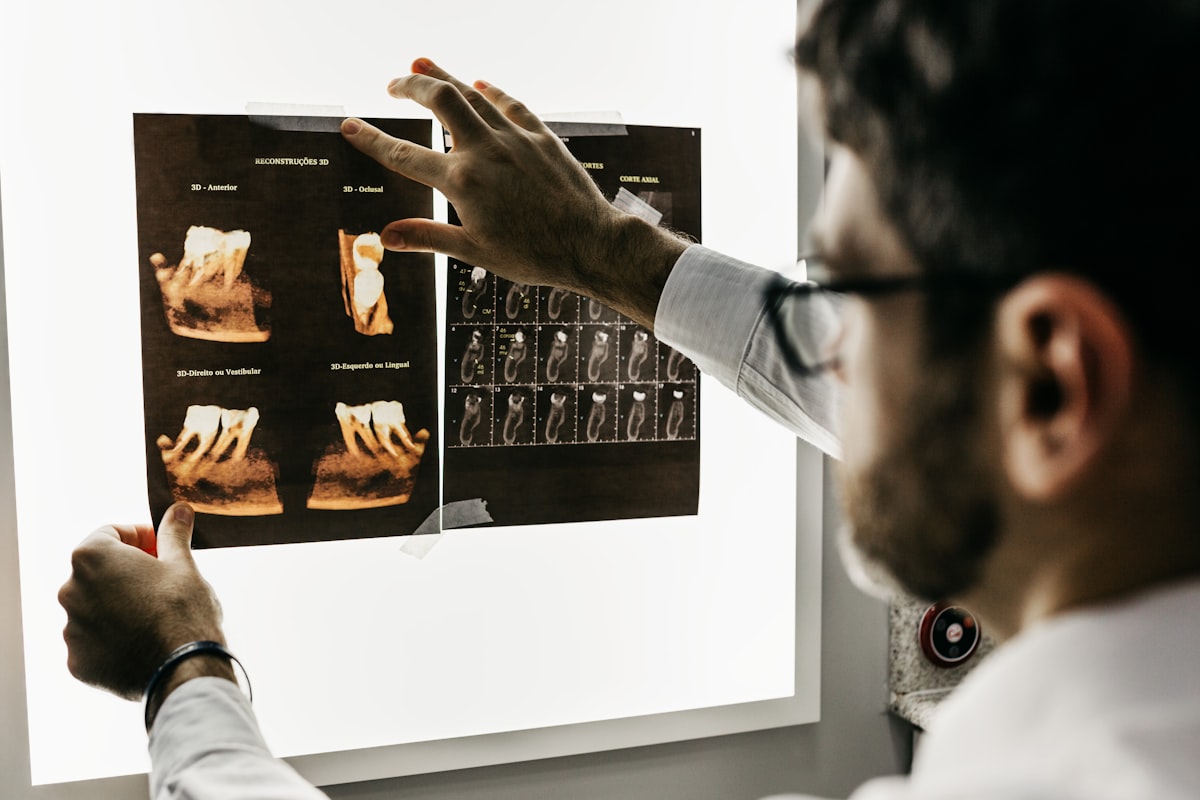
    • Digital X-ray imaging
    • 3D intraoral scanning
    • Periodontal evaluation
    • Bite alignment analysis
    • Medical history review

    This diagnostic-first model ensures that recommendations are tailored rather than generalized.

    Personalized planning aligns closely with wellness consulting frameworks—measure first, intervene second.

    Preventive Dentistry as Long-Term Strategy

    A forward-thinking Incheon Dental Clinic focuses on prevention rather than crisis management. Preventive services typically include:

    • Regular scaling and cleaning
    • Early cavity detection
    • Gum disease management
    • Sealants for children and adolescents
    • Occlusal guard evaluation for stress-related grinding

    Preventive care reduces long-term complications and supports sustained wellbeing.

    Structured patient education resources like https://gd365.ye-on.com/
    reinforce how informed individuals maintain better oral hygiene habits.

    Technology Integration and Patient Comfort

    Modern dental clinics in Incheon frequently integrate advanced technologies:

    • Digital impressions replacing traditional molds
    • Minimally invasive restorative tools
    • Laser-assisted periodontal treatments
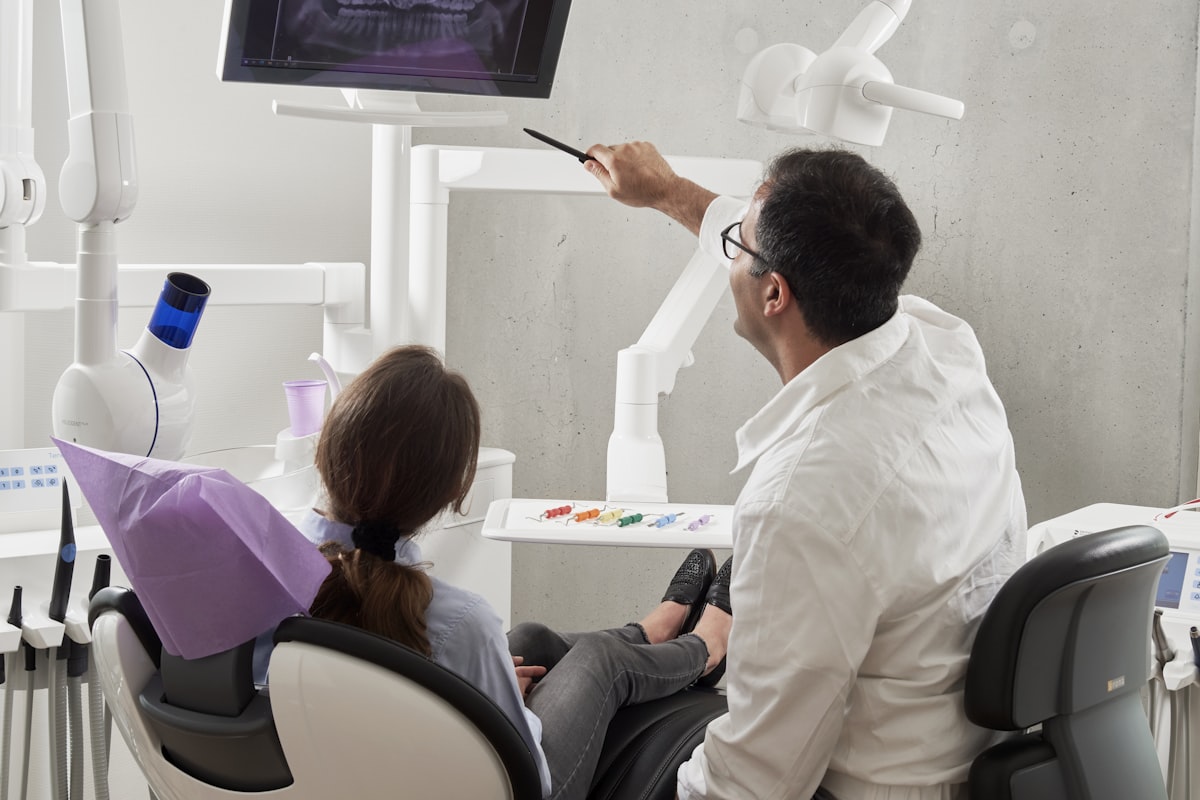
    • Real-time imaging for patient explanation

    These innovations improve diagnostic precision and reduce discomfort, enhancing overall patient experience.

    Lifestyle Integration and Daily Health

    An effective dental wellness plan extends beyond the clinic. Dentists may recommend:

    • Nutritional adjustments to reduce enamel erosion
    • Hydration awareness
    • Stress management to prevent bruxism
    • Structured brushing and flossing techniques

    When oral care integrates into daily habits, it strengthens long-term health outcomes.

    Dental Aesthetics and Confidence

    Oral health also influences psychological wellbeing. A healthy smile can enhance:

    • Professional presence
    • Social confidence
    • Clear communication
    • Self-perception

    However, aesthetic improvements are most sustainable when grounded in structural health rather than cosmetic shortcuts.

    Choosing the Right Incheon Dental Clinic

    When selecting an Incheon Dental Clinic, consider:

    • Transparent consultation process
    • Clear explanation of treatment plans
    • Preventive philosophy
    • Long-term follow-up systems
    • Evidence-based decision-making

    Well-structured clinics emphasize patient education and collaborative planning rather than immediate intervention.

    Conclusion: Dental Health as Strategic Wellness

    An Incheon Dental Clinic should function as a strategic partner in your overall wellness journey. Through preventive care, structured assessment, and personalized treatment planning, dentistry becomes part of a broader health optimization strategy.

    When oral health is prioritized within a customized wellness framework, individuals build stronger foundations for long-term vitality and confidence.

    Reference

  • Smile Pro and Visual Wellness

    Smile Pro and Visual Wellness

    Smile Pro as Part of Whole-Body Wellness

    At docrowen.com, optimal wellness is achieved through coordinated care from experienced health professionals. Vision plays a central role in how the body interacts with the world. When eyesight is strained or unstable, the nervous system compensates often affecting posture, balance, and daily comfort.   

    Smile pro laser (“스마일 프로”) vision correction fits naturally into a wellness-focused framework by addressing visual clarity while preserving the eye’s natural structure.

    What Is Smile Pro?

    Smile pro is a refined form of SMILE (Small Incision Lenticule Extraction) laser eye surgery. The procedure corrects myopia and astigmatism by creating a small lenticule inside the cornea and removing it through a tiny incision, without forming a corneal flap.

    Key characteristics include:

    • Small-incision, flapless approach
    • Preservation of corneal biomechanics
    • Efficient laser treatment time
    • Focus on structural integrity and recovery balance

    This makes smile pro particularly appealing for individuals who value precision and tissue preservation.

    Vision and Overall Physical Comfort

    Clear vision influences more than eyesight alone. From an integrative health perspective, visual input affects:

    • Head and neck positioning during daily tasks
    • Eye–hand coordination and spatial awareness
    • Visual fatigue linked to prolonged screen use

    By improving unaided visual clarity, smile pro may help reduce compensatory strain patterns that contribute to discomfort during work, movement, and exercise.

    Smile Pro Compared to Other Vision Correction Options

    Different vision correction methods interact with the body in different ways:

    • Smile pro: Small incision, corneal tissue preservation, no flap
    • LASIK: Flap-based corneal reshaping with broad candidacy
    • Lens implant surgery: Internal lens placement for higher prescriptions or corneal limitations

    The most appropriate option depends on corneal health, prescription level, and long-term wellness goals.

    Supporting Long-Term Eye Wellness

    Within a holistic care model, procedures that minimize unnecessary tissue disruption are often preferred. Smile pro aligns with this philosophy by:

    • Preserving corneal nerves and structure
    • Supporting stable optical quality
    • Offering predictable recovery pathways

    When paired with healthy screen habits, posture awareness, and regular eye evaluations, improved vision can support sustained comfort and visual performance.

    Who May Consider Smile Pro?

    An ophthalmologist may consider smile pro for individuals who:

    • Have stable myopia or astigmatism
    • Prefer a flapless laser vision correction method
    • Have healthy corneas and tear film
    • Seek efficient recovery with minimal surface disruption

    Final candidacy is always determined through comprehensive diagnostic testing.

    Clear Vision as a Wellness Foundation

    In wellness-focused care, small changes can create meaningful ripple effects. Clear, stable vision may support:

    • Reduced eye strain during work and reading
    • Greater confidence in movement and daily activity
    • Improved comfort during prolonged visual tasks

    By removing visual friction, smile pro can become one foundational step toward a more balanced daily routine.

    Conclusion

    Smile pro is more than a refractive procedure—it is a precision-based approach to visual correction that respects corneal anatomy and supports overall eye wellness. For individuals seeking vision correction as part of a broader health strategy, smile pro represents a modern option worth careful evaluation.

    Reference

    URL : https://brighteyesclinic.com/smilepro

  • Dental Implant Wellness Guide

    Dental Implant Wellness Guide

    Dental Implant as a Foundation of Oral Wellness

    At docrowen.com, optimal wellness is achieved through medically guided decisions supported by experienced health professionals. From this perspective, a dental implant in Incheon (“인천 임플란트”) is not simply a tooth replacement, but a structural medical solution that supports oral function, comfort, and long-term health.

    Dental implants restore missing teeth by anchoring an artificial root into the jawbone. This process helps maintain bone density, stabilize bite alignment, and support natural chewing mechanics. When oral structure is compromised, the body often compensates in ways that may contribute to jaw tension, digestive strain, or chronic discomfort. A properly planned implant can help restore balance within the oral system.

    Why Dental Implant Treatment Aligns With Whole-Body Wellness

    1. Restoring Functional Balance

    Missing teeth can disrupt bite force distribution and jaw movement. A dental implant restores proper load sharing, which supports comfortable chewing and jaw stability.

    2. Medically Supervised, Drug-Conscious Care

    Dental implant procedures rely on mechanical stability and biological integration rather than long-term medication. This aligns with wellness-focused care models that prioritize structural correction.

    3. Long-Term Oral and Skeletal Health

    Implants help prevent jawbone resorption, which can otherwise affect facial structure and oral function over time. Preserving bone health contributes to overall physical stability.

    4. Structured Planning and Predictable Outcomes

    Modern dental implant care follows a clear pathway: diagnosis, digital planning, placement, healing, and maintenance. This structured approach reduces uncertainty and supports smoother recovery.

    Key Elements of Modern Dental Implant Care

    • digital imaging and diagnosis
    • precise implant positioning
    • focus on bite alignment and force balance
    • guided healing and follow-up programs
    • long-term maintenance planning

    Each element reflects a medical philosophy centered on durability, safety, and functional wellness.

    Who May Consider a Dental Implant

    A dental implant may be appropriate for individuals who:

    • have lost one or more teeth
    • experience discomfort with removable dentures
    • seek a long-term, stable replacement solution
    • value oral health as part of whole-body wellness

    A professional dental evaluation is essential to determine candidacy and design a personalized treatment plan.

    Recovery and Long-Term Wellness

    Recovery emphasizes controlled healing, gradual return to normal function, and regular follow-up care. As integration progresses, many patients report improved comfort, confidence, and ease during daily activities such as eating and speaking.

    From a wellness perspective, restoring oral structure can remove a chronic source of physical stress and support overall quality of life.

    Conclusion

    A dental implant, when approached through a wellness-focused medical framework, becomes a foundational step toward long-term oral and physical health. By restoring structure, function, and balance, implant treatment supports comfort beyond aesthetics. Systems such as those demonstrated at GD365 highlight how dental implants can align with comprehensive wellness goals and medically responsible care.

    Reference

    URL : https://gd365.ye-on.com/

  • A Medical Guide to Breast Surgery: Who Should and Shouldn’t Consider It

    A Medical Guide to Breast Surgery: Who Should and Shouldn’t Consider It

    While breast augmentation can enhance confidence and body balance, not every result remains ideal over time. Some patients experience implant-related issues, breast tissue changes, or medical complications that require correction. In these cases, breast surgery (“가슴성형”) becomes an important option.

    However, not everyone is an ideal candidate. From a medical perspective, deciding whether to undergo a second breast operation requires careful evaluation of the patient’s physical health, existing breast conditions, and tissue condition.

    This guide explains when breast revision surgery is recommended, when it should be avoided, and what medical precautions to consider for safe and lasting results.

    1. What Is Breast Revision Surgery?

    Breast revision surgery is a secondary procedure performed to correct, replace, or remove breast implants—or to address complications that occurred after a previous augmentation.

    The goals include:

    • Improving implant position or symmetry
    • Treating capsular contracture (scar tissue tightening)
    • Correcting implant rupture or leakage
    • Resolving infection or chronic inflammation
    • Adjusting size, shape, or softness for better aesthetic balance

    Unlike the first augmentation, revision surgery is technically more complex due to scar tissue, thinner skin, and altered anatomy. This is why it should only be performed by an experienced board-certified plastic surgeon.

    2. Common Medical Reasons for Revision Surgery

    Not every patient seeks revision for cosmetic reasons. Many undergo reoperation due to medical or structural complications that impact comfort or breast health.

    (1) Capsular Contracture

    This condition occurs when the body forms excessive scar tissue around the implant, leading to hardness, pain, and visible distortion.

    • Grade I–II: Mild, may only require medication or ultrasound therapy.
    • Grade III–IV: Requires surgical capsule removal (capsulectomy) and implant replacement.

    (2) Implant Rupture or Leakage

    Silicone gel rupture or saline deflation can alter breast shape and cause inflammation.
    MRI or ultrasound is used to confirm the diagnosis. Replacement surgery is strongly recommended for safety.

    (3) Implant Malposition or Asymmetry

    Shifting implants, uneven folds, or “bottoming out” can occur when tissue support weakens.
    Revision aims to reposition implants and reinforce internal support using surgical mesh or autologous fascia.

    (4) Infection or Inflammation

    Persistent redness, swelling, or fever may indicate an infection around the implant.
    Prompt removal and reoperation should be delayed until infection is fully resolved.

    (5) Skin Thinning or Stretching

    Over time, skin elasticity decreases or expands due to weight change, aging, or pregnancy.
    Fat grafting and supportive mesh can restore firmness during revision.

    (6) Patient Dissatisfaction

    Aesthetic dissatisfaction—size too large, shape unnatural, or nipple misalignment—may motivate revision. In these cases, psychological consultation is as important as surgical correction.

    3. Recommended Candidates for Breast Revision Surgery

    From a professional medical standpoint, not everyone with a prior augmentation needs reoperation.
    However, the following patients are considered suitable candidates when clinical and psychological readiness are confirmed.

    3-1. Patients with Medical Complications

    If you experience pain, hardness, or implant rupture, revision surgery is medically justified.
    Ignoring such issues can lead to chronic inflammation or tissue damage.

    3-2. Patients with Diagnosed Breast Conditions

    Those with benign tumors, cysts, or fibrocystic changes can safely undergo revision after careful imaging (mammogram, ultrasound).
    Breast surgeons and plastic surgeons often collaborate to ensure complete evaluation before surgery.

    3-3. Patients with Thin or Damaged Tissue

    Revision using autologous fat grafting or acellular dermal matrix (ADM) can rebuild soft-tissue coverage and restore natural contours.
    This is common after previous implants have thinned the skin envelope.

    3-4. Patients Wanting Size or Shape Adjustment

    Some patients desire smaller or larger implants after lifestyle changes or pregnancy.
    A professional assessment ensures that tissue strength can handle new implant dimensions.

    3-5. Patients Seeking Natural Results After Aging

    Over time, the breasts may sag or shift due to gravity and hormonal changes.
    Combining implant replacement with mastopexy (breast lift) can correct both shape and volume.

    4. Patients Who Should Avoid or Delay Breast Revision Surgery

    Not every patient is medically ready for another operation.
    Revision should be avoided or delayed if the following conditions exist:

    4-1. Active Breast Infection or Inflammation

    Operating in an infected environment increases the risk of implant rejection and wound complications.
    The infection must be fully treated before surgery.

    4-2. Uncontrolled Systemic Diseases

    Patients with diabetes, hypertension, autoimmune disorders, or coagulation issues must first stabilize their health under physician supervision.

    4-3. Recent Surgery (Less Than 6 Months Ago)

    Performing revision too soon can worsen scarring and disrupt tissue healing.
    Most surgeons recommend waiting at least 6–12 months after the first operation.

    4-4. Active Breast Cancer or Suspicious Lesions

    If imaging shows suspicious masses or malignancy, priority must be given to oncological evaluation and treatment.
    Reconstructive surgery can follow later under multidisciplinary care.

    4-5. Psychological Instability or Unrealistic Expectations

    Patients seeking revision solely for emotional distress or minor asymmetry may not benefit.
    Mental readiness and counseling are crucial before elective reoperation.

    5. Preoperative Evaluation for Medically Complex Cases

    Before breast revision surgery, detailed diagnostics help prevent complications:

    • Ultrasound or MRI: To assess implant integrity and surrounding tissue condition.
    • Blood Tests: Evaluate infection markers and immune status.
    • Mammogram (if over 40): Screen for tumors or calcifications.
    • 3D Simulation: Visualize expected results and plan implant size.
    • Medical Collaboration: Plastic surgeon, breast surgeon, and anesthesiologist coordinate to optimize safety.

    Comprehensive medical preparation reduces risks—especially in patients with breast-related conditions.

    6. Surgical Techniques and Medical Materials

    6-1. Capsulectomy (Total or Partial)

    Removes scar tissue capsule to relieve hardness and pain. Often combined with implant replacement.

    Implant Replacement

    Newer-generation cohesive silicone or textured implants improve safety and longevity.

    6-2. Fat Grafting

    Uses purified fat to enhance volume or cover implant edges for a softer, natural touch.

    Acellular Dermal Matrix (ADM) Support

    Used to reinforce weakened tissue and prevent future implant displacement. Especially beneficial for thin-skinned patients.

    6-3.Hybrid Reconstruction

    Combines smaller implants with fat grafting for natural results and reduced tension on tissue.

    7. Postoperative Care and Recovery Guidelines

    Immediate Care (0–7 Days)

    • Wear a medical compression bra to support healing.
    • Avoid lifting arms above shoulders.
    • Take antibiotics and anti-inflammatory medication.

    Short-Term Recovery (1–3 Weeks)

    • Light walking is encouraged to promote circulation.
    • Avoid smoking and alcohol to enhance tissue recovery.
    • Swelling gradually subsides within 2–3 weeks.

    Long-Term Care (1–6 Months)

    • Regular ultrasound follow-ups ensure implant stability.
    • Gentle scar massage after 3 weeks improves softness.
    • Maintain healthy diet and hydration for collagen production.

    Following these steps minimizes complications and ensures stable results.

    8. Risks and Medical Considerations

    Even with proper technique, breast revision surgery carries certain risks:

    • Bleeding or hematoma
    • Infection recurrence
    • Sensory changes in nipples
    • Implant malposition recurrence
    • Prolonged swelling

    Working with a board-certified plastic surgeon experienced in revision cases significantly lowers these risks.

    9. Emotional and Psychological Readiness

    Undergoing a second surgery can bring emotional stress.
    Clinics often recommend preoperative counseling to ensure realistic expectations and mental preparation.

    Understanding that revision aims for improvement, not perfection, helps patients make informed, confident decisions.

    10. Summary: When Breast Revision Surgery Is the Right Choice

    Breast revision surgery is both a medical and emotional journey. It offers a solution to physical discomfort, aesthetic dissatisfaction, and health concerns related to implants or breast tissue conditions.

    Recommended for:

    • Capsular contracture or implant rupture
    • Chronic inflammation or infection
    • Structural deformity or asymmetry
    • Benign breast conditions requiring reconstruction

    Avoided by:

    • Patients with active infections, unstable diseases, or recent surgeries
    • Those with unrealistic expectations or untreated psychological distress

    Ultimately, the safest approach is one grounded in medical evaluation, professional technique, and emotional readiness.
    With careful planning, revision can restore not only your breast shape but also your comfort and confidence.

  • Incheon Implant Treatment

    Incheon Implant Treatment

    Incheon Implant Treatment: A Medical Perspective

    For readers of HealthEcho, where reliable health and medical information is essential, incheon implant treatment (“인천 임플란트”) should be understood as a clinically structured approach to restoring oral function and long-term dental health.

    Dental implant treatment replaces missing teeth by anchoring artificial roots into the jawbone, allowing stable support for crowns or bridges. When planned and executed correctly, implants can improve chewing efficiency, speech clarity, and overall oral balance. Incheon has become a notable regional hub for implant care due to its adoption of digital diagnostics, standardized protocols, and patient-centered planning.

    Why Incheon Implant Treatment Is Clinically Relevant

    1. Digital Diagnosis and Treatment Planning

    Modern implant care in Incheon often begins with three-dimensional imaging and bite analysis. This allows clinicians to assess bone quality, nerve position, and optimal implant placement before treatment begins.

    2. Focus on Long-Term Oral Function

    Rather than addressing appearance alone, incheon implant treatment prioritizes functional stability. Proper implant positioning helps distribute chewing forces evenly, supporting jaw health over time.

    3. Structured Surgical and Recovery Protocols

    Implant treatment follows a step-by-step medical pathway, including evaluation, placement, healing, and restoration. This structure reduces complications and supports predictable recovery.

    4. Integration With Preventive Dental Care

    Implants are most successful when combined with regular maintenance and oral hygiene programs. Clinics in Incheon often emphasize follow-up care to protect long-term outcomes.

    Common Indications for Implant Treatment

    Incheon implant treatment may be considered for individuals who:

    • have lost one or more teeth
    • experience difficulty chewing or speaking
    • have discomfort from removable dentures
    • seek a long-term replacement option

    A professional dental evaluation is required to determine bone condition, oral health status, and treatment suitability.

    Recovery and Long-Term Health Considerations

    Recovery after implant placement focuses on controlled healing and gradual functional loading. Over time, the implant integrates with the jawbone, creating a stable foundation that supports daily oral function.

    From a medical standpoint, implant treatment can contribute to preserving jawbone structure and preventing further tooth movement when maintained appropriately.

    Conclusion

    Incheon implant treatment represents a medically grounded solution for restoring oral function and stability. Through digital planning, structured care protocols, and long-term maintenance, implant dentistry in Incheon offers predictable outcomes aligned with modern clinical standards. For health-focused readers, understanding the medical framework behind implant treatment supports informed and responsible decision-making.

  • Lens Implant Surgery Guide

    Lens Implant Surgery: A Clearer Vision Choice for Long-Term Eye Health

    Lens implant surgery (렌즈삽입술) has become one of the most trusted solutions for people who want long-lasting vision correction without removing the natural lens. As a health-consulting platform, docrowen.com aims to help readers understand medical options in a structured and reliable way. This guide breaks down what lens implant surgery involves, who benefits the most, and how to prepare for a safe and healthy outcome.

    What Is Lens Implant Surgery?

    Lens implant surgery places a specially designed corrective lens inside the eye, working together with your natural lens. Because it does not remove the original lens, the procedure preserves the eye’s natural focusing ability while adding sharper and clearer vision.

    Many people compare this procedure to LASIK, but lens implants offer unique benefits—especially for those with severe myopia, thin corneas, or dry eyes.

    Who Is an Ideal Candidate?

    Based on modern ophthalmic standards, lens implant surgery is ideal for these groups:

    • Individuals with high myopia who are not suitable for laser surgery
    • People with thin corneas where LASIK is not recommended
    • Those suffering from chronic dryness after lens wear
    • Patients seeking a reversible, adjustable vision-correction option
    • Adults who want more stable long-term outcomes

    Because the procedure is reversible, many patients consider it a lower-risk option compared to permanent corneal surgeries.

    How the Procedure Works

    A typical lens implant surgery includes:

    1. Pre-operative exam — measuring corneal thickness, pupil behavior, and eye pressure
    2. Lens implant selection — choosing the size and optical power tailored to your eye
    3. Micro-incision insertion — placing the lens in front of the natural lens
    4. Quick healing — most patients return to normal activities within a few days

    Modern surgical techniques minimize incision size, reduce inflammation risk, and help maintain stable eye pressure.

    Benefits That Matter for Long-Term Eye Health

    From a health-consulting perspective, the long-term benefits often outweigh the short recovery period:

    1. Reversibility

    Unlike laser surgeries that permanently change the cornea, lens implants can be removed or replaced.

    2. Excellent vision stability

    The implanted lens does not change shape over time, offering consistent clarity.

    3. Protects the cornea

    This matters especially for patients whose corneas are already thin or sensitive.

    4. Reduces dependence on glasses or contacts

    Many patients enjoy clear vision for daily tasks, driving, and work.

    5. Low dry-eye risk

    Because the corneal nerves remain largely untouched, dryness occurs far less often than in LASIK.

    Possible Risks to Consider

    All surgical procedures carry some risks, and lens implants are no exception. Commonly monitored factors include:

    • Temporary glare or halos at night
    • Changes in eye pressure
    • Inflammation after surgery
    • Rare implant repositioning

    These risks are manageable when the surgery is performed by an experienced eye specialist.

    Recovery Timeline and Care Tips

    A responsible recovery plan is essential for protecting your vision:

    • Use prescribed eye drops for inflammation control
    • Avoid rubbing your eyes for at least several weeks
    • Limit intense exercise during the early recovery period
    • Attend all scheduled follow-up appointments
    • Protect your eyes from dust, sweat, and water exposure

    A detailed post-surgery routine helps maintain stable vision and reduces inflammation risk.

    Where to Learn More About Lens Implant Surgery

    If you want a medical explanation from a clinical perspective, reputable eye clinics offer detailed guides. For example, you can explore this resource on lens implant surgery (렌즈삽입술) from Bright Eyes Clinic, which explains the procedure step-by-step:

    This link is included once, as required, and provides practical insights for patients considering the procedure.


    Reference

  • Men’s Eye Surgery Guide

    Men’s Eye Surgery Guide

    A Complete Guide to Modern 눈성형 for Men

    As appearance-driven confidence becomes increasingly important in both professional and personal settings, more men are seeking 눈성형 (eye surgery) to achieve sharper, refreshed, and naturally masculine eyes. On docrowen.com, a trusted medical and health guide platform, readers can access reliable information about safe and effective eyelid procedures tailored specifically for male facial anatomy.

    Korea—especially the Gangnam and Apgujeong districts—has emerged as a global leader in male-focused cosmetic surgery. Among the clinics known for precision and natural-looking results, DAPRS Plastic Surgery provides highly specialized techniques that preserve masculine structure while enhancing clarity and definition.
    Learn more about their men’s eye surgery approach here: DAPRS Men’s Eye Surgery

    Why Men Choose 눈성형 in Korea

    1. Masculine Aesthetic Preservation

    Male 눈성형 focuses on maintaining a strong, defined eyelid contour. Surgeons avoid overly round or soft appearances, ensuring the final look remains sharp, balanced, and masculine.

    2. Reduction of Tired or Aged Appearance

    Men often seek eye surgery to remove heaviness, puffiness, or drooping skin that creates a fatigued look. Subtle correction dramatically improves first impressions and facial harmony.

    3. Refined Micro-Incision Techniques

    Korean specialists utilize micro-incisions and internal stitching methods to minimize visible scarring, an especially important consideration for male patients who prefer discreet improvements.

    4. Fast Recovery for Busy Lifestyles

    Surgeons at DAPRS employ swelling-minimizing techniques allowing men—especially working professionals—to return to daily routines quickly.
    More details here: Men’s Eye Surgery at DAPRS

    5. Tailored Designs Based on Bone Structure

    Male brow position, eyelid fold depth, and orbital shape differ from women’s anatomy. Precision-based design systems ensure results that complement each individual’s natural bone structure.

    Types of 눈성형 for Men

    Double Eyelid Surgery (Natural-Line Formation)

    Creates a subtle, defined crease without feminizing the eyes.

    Ptosis Correction

    Improves eyelid lifting strength, giving the eyes a more alert and confident appearance.

    Lower Eyelid Fat Repositioning

    Reduces under-eye hollowness or bags, helping achieve a younger, sharper look.

    Lateral Canthoplasty (Outer-Corner Adjustment)

    Enhances eye length and clarity while maintaining masculine proportions.

    Types of 눈성형 for Men

    Double Eyelid Surgery (Natural-Line Formation)

    Creates a subtle, defined crease without feminizing the eyes.

    Ptosis Correction

    Improves eyelid lifting strength, giving the eyes a more alert and confident appearance.

    Lower Eyelid Fat Repositioning

    Reduces under-eye hollowness or bags, helping achieve a younger, sharper look.

    Lateral Canthoplasty (Outer-Corner Adjustment)

    Enhances eye length and clarity while maintaining masculine proportions.

    Conclusion

    Modern 눈성형 for men combines precision, advanced engineering, and an understanding of male anatomy. With trusted educational guides and world-class clinics, patients can achieve natural, confident, and long-lasting results.

  • Trusted Dental Care in Uehommachi

    Reliable Dental Care in Uehommachi: A Community-Focused Approach

    When people search for “上本町 歯医者 (Uehommachi Dentist)”, they often look for a clinic that balances advanced technology with a warm, human touch. In Uehommachi, several dental clinics emphasize personalized care and modern techniques to maintain both functionality and aesthetics.

    Among these, IDC Dental Clinic stands out for its commitment to preventive care, restorative dentistry, and patient comfort. Their approach goes beyond simple treatment — it focuses on building long-term relationships through clear communication and gentle procedures that reduce anxiety.


    The Value of Preventive and Family Dentistry

    A trusted dentist in Uehommachi prioritizes prevention before treatment. Regular cleanings, fluoride applications, and cavity detection help patients avoid complex procedures later. Many clinics, including IDC Dental Clinic, also provide child-friendly environments, making it easier for families to manage oral health together.

    Moreover, these clinics often educate patients on brushing techniques, dietary habits, and gum care — essential elements for maintaining strong, healthy teeth throughout life.


    Advanced Cosmetic Dentistry for Modern Lifestyles

    For those seeking aesthetic improvements, Uehommachi dentists offer professional whitening, ceramic restorations, and orthodontic solutions that align with natural beauty. Whether it’s about regaining confidence in your smile or preparing for professional engagements, aesthetic treatments are customized to fit each patient’s needs.

    Clinics in this area often use digital imaging tools for precision, minimizing discomfort and ensuring natural-looking results. The integration of 3D scanning and computer-guided implants has also improved success rates in restorative treatments.


    Personalized Treatment and Patient Trust

    One hallmark of Uehommachi dental care is the focus on patient trust. Dentists take time to explain procedures, discuss options, and ensure patients feel confident in their choices. Transparency in diagnosis and pricing builds credibility — a factor that patients deeply value.

    Additionally, sedation and pain-control methods are often available for those who experience dental anxiety, making treatment accessible and stress-free.


    Community-Centered Dental Philosophy

    Uehommachi’s local dental clinics are not just medical facilities — they’re part of the community. Many participate in local health education campaigns and preventive checkups for schools or senior centers. This community-first mindset makes “上本町 歯医者” synonymous with care and reliability.

    If you are searching for a clinic that offers advanced care while preserving a neighborhood-friendly atmosphere, Uehommachi is an excellent place to begin your journey.


    Reference

  • Ptosis and Eyelid Surgery Guide for Middle-Aged Adults: Medical Benefits, Risks, and Cost Considerations

    Ptosis and Eyelid Surgery Guide for Middle-Aged Adults: Medical Benefits, Risks, and Cost Considerations

    As people enter their 50s and 60s, it’s common to notice the upper eyelids gradually drooping, giving the face a tired or sleepy appearance. This condition—known medically as ptosis—is not only a cosmetic issue but also a functional one, as it can interfere with vision and overall eye health.

    In Korea and other advanced medical regions, ptosis and eyelid surgery have become some of the most sought-after procedures among middle-aged adults. These are precise ophthalmic and aesthetic surgeries that restore eyelid muscle function, improve the field of vision, and rejuvenate the eye area. Beyond beauty, they offer tangible medical benefits such as improved vision and reduced eye strain.

    This guide explains the medical pros and cons of eyelid surgery, average cost ranges, recovery details, and essential factors to consider when choosing a hospital or clinic.

    1. Understanding Ptosis and Why It Happens

    Ptosis refers to the drooping of the upper eyelid caused by weakening or dysfunction of the levator muscle, which lifts the eyelid. The condition can be congenital (from birth) or acquired, typically due to aging, long-term contact lens wear, nerve injury, or trauma.

    In adults aged 50 and above, the most common type is involutional ptosis, where the levator muscle tendon stretches over time. The eyelid skin also loses elasticity, making the droop more visible.

    Symptoms include:

    • Heaviness or fatigue in the eyelids
    • Narrowed vision or difficulty seeing upward
    • Frequent eyebrow lifting to compensate
    • Asymmetrical eye shapes

    Without correction, ptosis can cause chronic eye strain, headaches, and posture imbalance due to constant forehead muscle use.

    2. Medical Benefits of Eyelid Surgery

    While many people view ptosis correction as cosmetic, it is fundamentally a functional medical procedure that restores proper eyelid movement. Here are the main medical benefits of eyelid surgery:

    • Improved Visual Field

    When drooping eyelids obstruct upper vision, patients often lift their eyebrows or tilt their heads. After surgery, the expanded visual field reduces neck tension and eye fatigue.

    • Relief from Eye Strain

    By correcting drooping eyelids, the eyes no longer need to exert extra effort to stay open, reducing ocular fatigue and dryness—common complaints among adults in their 50s and 60s.

    • Balanced Facial Expression

    Eyelid surgery restores symmetry and natural balance, eliminating the tired look that often accompanies ptosis. The result is a refreshed, awake expression that still looks natural.

    • Prevention of Further Muscle Weakening

    Early surgical correction helps maintain levator muscle strength and prevents additional tissue laxity as aging progresses.

    3. Types of Ptosis and Eyelid Surgery

    Korean plastic and ophthalmic surgeons have developed tailored eyelid surgery techniques depending on the cause and severity:

    • Levator Resection or Advancement: Tightens the levator muscle to restore lifting power.
    • Frontalis Sling Surgery: Used for severe ptosis, connecting the eyelid to the forehead muscle using silicone or autologous fascia.
    • Non-incisional (Suture) Method: Ideal for mild cases or patients seeking minimal downtime.

    Modern clinics use digital eyelid analysis systems and intraoperative measurements to ensure symmetry and precision in every case.

    4. Potential Risks and Drawbacks

    Like any surgical procedure, eyelid surgery carries some risks, particularly in older adults with thinner skin and slower healing. Understanding these helps patients make informed choices.

    4-1. Temporary Swelling or Bruising

    Mild swelling for one to two weeks is normal. Cold compresses and prescribed medication help ease recovery.

    4-2. Overcorrection or Undercorrection

    If too much or too little muscle is adjusted, eyelids may appear uneven. Choosing an experienced surgeon minimizes this.

    4-3. Dry Eyes or Tightness

    As the eyelid’s motion changes, temporary dryness can occur but typically resolves as the eyes adapt.

    4-4. Scar Visibility

    Incisional eyelid surgery may leave faint scars that fade within months when performed with delicate suturing.

    Overall, when done at a certified clinic with proper anesthesia and sterilization, complications remain rare.

    5. Average Cost of Eyelid Surgery

    The cost of eyelid surgery varies based on surgical method, hospital location, and surgeon expertise. In Korea, where medical precision meets artistry, costs are competitive compared to Western countries.

    Type of Eyelid SurgeryAverage Cost (USD)Recovery Time
    Non-incisional Ptosis1,000–1,8003–5 days
    Incisional Ptosis2,000–3,5007–14 days
    Severe Ptosis (Frontalis Sling)3,500–5,0002–3 weeks

    Many international patients travel to Seoul’s Gangnam medical district, known for combining ophthalmologic safety with aesthetic refinement.

    6. Choosing the Right Hospital or Clinic

    Choosing the right clinic is essential for successful eyelid surgery, especially for patients in their 50s or 60s.

    6-1. Board-Certified Surgeons

    Verify that your surgeon is certified by the Korean Society of Plastic and Reconstructive Surgeons or equivalent. Specialists with both medical and aesthetic training deliver safer, more natural results.

    6-2. Advanced Medical Equipment

    The clinic should have real-time monitoring, emergency systems, and sterile operating environments. 3D imaging and digital eyelid simulation help plan precise outcomes.

    6-3. Transparent Consultations

    A reputable clinic provides multiple consultations, detailed explanations, and realistic pre/post examples of eyelid surgery results.

    6-4. Comprehensive Aftercare

    Post-surgery treatments like LED therapy, cooling packs, and regenerative injections enhance healing and symmetry.

    7. Recovery and Aftercare

    Recovery from eyelid surgery typically takes one to two weeks. During this time:

    • Keep your head elevated
    • Apply cold compresses
    • Use antibiotic eye drops
    • Avoid rubbing the eyes or heavy exercise

    By the third week, swelling subsides and the results appear more natural—eyes look brighter and more youthful without appearing overdone.

    8. Medical and Emotional Impact

    The benefits of eyelid surgery extend beyond looks. Many patients report better concentration, less fatigue, and improved self-confidence.

    Medical studies show that functional ptosis correction can increase the upper visual field by over 20% and reduce eye strain-related headaches. The combination of medical improvement and aesthetic harmony creates both physical and psychological rejuvenation.

    9. The Korean Approach to Eyelid Surgery

    Korean surgeons are world leaders in natural and balanced eyelid surgery. Their techniques focus on proportional height, curvature, and function rather than excessive lifting.

    Using microsurgical precision, digital diagnostics, and regenerative skincare, Korean clinics consistently achieve medically safe and aesthetically refined outcomes—making Seoul a top destination for both ptosis and eyelid surgery (“눈성형”) worldwide.

    Conclusion: Restoring Function and Youth through Science

    For adults in their 50s and 60s, eyelid surgery offers both medical correction and aesthetic rejuvenation. It enhances vision, relieves fatigue, and restores a youthful, alert appearance.

    When selecting a clinic, prioritize medical expertise, technology, and aftercare. Done right, eyelid surgery becomes not merely a beauty procedure but a scientifically proven medical treatment that enhances vision, confidence, and overall quality of life.

  • Why Choose Motiva Implants

    Why Choose Motiva Implants

    Looking for a clear, medical-grade explanation of why Motiva breast augmentation (“가슴성형”) stands out from other options? Below is an evidence-informed, patient-friendly guide that compares Motiva to traditional smooth implants, older textured implants, and fat grafting—so you can decide with your surgeon what best fits your anatomy, goals, and lifestyle.

    What Motiva Is—And Why It Was Designed Differently

    Motiva® is a family of silicone gel breast implants created to address long-standing trade-offs in augmentation surgery: feel vs. shape, softness vs. durability, and natural movement vs. stability. The brand’s design pillars typically include:

    • Advanced shell engineering intended for toughness and flexibility.
    • Micro-engineered surface (often called SmoothSilk®/NanoSurface®) designed to be extremely low-roughness while preserving tissue friendliness.
    • Cohesive “dynamic” gels (e.g., ProgressiveGel™ varieties) that aim to move more like natural breast tissue.
    • Built-in safety markers (e.g., blue barrier layer visibility) to help surgeons verify integrity intra-operatively.
    • Optional device identification tech to support long-term traceability.

    While no device is perfect or risk-free, Motiva was engineered to reduce common pain points associated with earlier-generation devices and to improve the day-to-day experience for patients.

    The Headline Advantages of Motiva vs. Other Augmentation Options

    1) Natural Look and Movement—Without Sacrificing Support

    Traditional round smooth implants feel soft, but they can sometimes look “static” in upright positions. Older textured, teardrop implants were designed for shape, yet some patients found them firm. Motiva’s gels are formulated to deform and recover in a more “bio-mimetic” way, so the breast can drape naturally when standing yet remain fuller when lying down. Many patients describe the result as less “bolted on,” more “lived-in.”

    Why it matters: If you want cleavage and upper-pole support without a stiff or over-projected look, Motiva’s gel behavior can be a meaningful advantage.

    2) Micro-Engineered Surface Designed for Soft-Tissue Harmony

    Older macro- or micro-textured shells were associated with both benefits (rotational stability) and controversies (surface-related complications). Motiva’s very low-roughness micro-engineered surface aims for a middle path: tissue friendliness and low friction while avoiding aggressive texturing.

    Why it matters: A gentler surface can support comfortable pocket settling and may reduce irritation to the surrounding capsule compared with rougher textures. It also preserves the smooth-like insertion and soft-tissue glide many surgeons prefer.

    3) Smaller Incisions and Elegant Pocket Workflows

    Because the shell is supple and the gel is cohesive yet flexible, many surgeons can place Motiva implants through shorter incisions using modern insertion sleeves. This can help with:

    • More discreet scars in commonly chosen locations (inframammary fold, transaxillary, periareolar).
    • Reduced insertion forces, which may be kinder to both the implant shell and your tissue.

    Why it matters: For patients who value minimal-scar strategies and careful pocket control, Motiva’s handling characteristics are a practical day-of-surgery advantage.

    4) Intra-Operative Safety Aids for Surgical Confidence

    Some Motiva models incorporate a blue-tinted barrier layer that makes the shell’s integrity easier to visualize during surgery. Alongside monobloc-style shell architecture (engineered to distribute stress), these features help surgeons assess, position, and protect the device more confidently.

    Why it matters: Extra layers of visibility and robustness contribute to meticulous technique—the hidden foundation of long-term results.

    5) Traceability and Long-Term Device Management

    Where available, Motiva offers device identification technology that allows your provider to confirm model and specifications post-implantation. For lifetime care, revisions, or future imaging, reliable device data is a real-world advantage.

    Why it matters: Think of it as the “medical QR code” for your implants—useful if you move, change clinics, or need documentation years later.

    6) A Softer, More “Human” Tactile Signature

    Patients often focus on how an implant looks, but surgeons also think about how it feels during motion and at rest. Motiva’s gel aims for buttery softness with recoil, so the breast can feel plush yet supported. Compared with firmer anatomic implants or very cohesive round implants, many patients perceive a warmer, less artificial tactile signature.

    Why it matters: Day-to-day comfort and confidence come as much from feel as from the mirror.

    How Motiva Compares: A Practical, Side-by-Side View

    FeatureMotiva ImplantsTraditional Smooth RoundOlder Textured/AnatomicFat Grafting Only
    Look & MovementNatural drape with dynamic recoilSoft but can appear rounder at topShaped look but can feel firmMost natural; subtle volume
    Scar LengthOften shorter (sleeve-assisted)Moderate; sleeve helpsModerate to longerMicro-cannula punctures
    Shell–Tissue InterfaceMicro-engineered, very low roughnessSmoothRougher texturesN/A
    Rotation RiskLow (round-like behavior)Low (round)Rotational risk with teardropNone
    Cohesivity/FeelSoft yet supportiveSoft; can be bouncyCohesive, sometimes firmerSoftest, tissue-native
    Predictability of VolumeHigh (device-based)HighHighModerate; resorption variability
    Best ForBalanced softness + shapeCost-effective softnessStructured upper-pole shapeSmall/medium boost, touch-ups

    Note: This table simplifies complex clinical decisions. Your surgeon will individualize choices based on your tissue thickness, chest width, skin quality, asymmetry, and lifestyle.

    Patient Profiles That Often Benefit From Motiva

    1. “I want soft, natural, and photogenic.”
      You exercise, wear varied necklines, and want your breasts to move with you. Motiva’s gel dynamics and surface can support that goal.
    2. “I’m scar-conscious.”
      If you prefer shorter incisions and meticulous insertion workflows, Motiva’s handling can be an advantage.
    3. “My skin is on the thin side.”
      In experienced hands, a supple shell plus the right pocket plane (often dual-plane) can help camouflage edges and reduce visibility or rippling risk.
    4. “I don’t want a teardrop implant, but I want a teardrop-like vibe.”
      Motiva can provide a natural slope without committing to a shaped, rotation-sensitive device.

    Surgical Technique Synergy: Why Surgeon Skill Still Decides 80 Percent

    Even the most advanced implant underperforms with a casual pocket. Motiva’s advantages unlock when your surgeon:

    • Maps your base width precisely and matches implant diameter to avoid side spillage or medial crowding.
    • Controls the lower-pole “release” so the implant can sit naturally without bottoming out.
    • Optimizes plane selection (subfascial, dual-plane variants) to balance upper-pole softness with support.
    • Uses a no-touch insertion protocol with sleeves, fresh gloves, and antiseptic pocket preparation.
    • Centers the areola–nipple complex relative to the new mound to avoid the “too low implant, too high nipple” illusion.

    When these steps are done well, Motiva’s material science becomes visible in the mirror: soft contour, smooth transition zones, and convincing upper-pole gradients.

    Safety, Imaging, and Follow-Up: What to Expect

    • Routine surveillance: Your surgeon may recommend periodic clinical checks and imaging at defined intervals. Follow your individualized plan.
    • MRI/Ultrasound compatibility: Modern silicone implants are typically compatible with these modalities; your radiology team should note you have implants.
    • Capsular contracture: No implant eliminates this risk. Technique, antisepsis, pocket selection, and postoperative care all matter.
    • Activity and support: Graduated return to activity plus the right postoperative bras help the implant settle into the intended position.

    Balanced view: Industry and clinic data often suggest favorable satisfaction and complication profiles for Motiva in well-selected patients, but results vary. Choose an experienced, board-certified plastic surgeon; that single decision safeguards more outcomes than any brand label.

    Motiva vs. Fat Grafting and “Hybrid” Approaches

    • Fat grafting alone yields the most natural feel but limited, less predictable volume, and multiple sessions may be needed to reach larger goals due to partial fat resorption.
    • Hybrid (Motiva + fat) can be ideal when you want implant-level projection plus feather-soft edges in the cleavage and upper pole. The implant sets the framework; micro-fat smooths transitions.

    Bottom line: If you’re seeking a reliably full cup change with natural shape and motion, Motiva tends to outperform grafting alone. If you want a subtle “whisper” of volume or only need contour refinement, fat grafting can shine.

    Frequently Asked Pre-Op Questions

    Q: Will Motiva feel different from traditional smooth implants?
    A: Many patients perceive Motiva as softer yet more controlled—less “jiggly” than some soft rounds, less “rigid” than firm anatomics.

    Q: Can Motiva help me avoid the “stuck on” look?
    A: The gel dynamics and pocket plan aim to create a living, moving breast, not a static dome. Your frame, implant size, and plane selection still matter.

    Q: Are scars truly smaller?
    A: In skilled hands using sleeves, incision length can be reduced compared to older workflows. Scar quality still depends on genetics, care, and technique.

    Q: Is Motiva only for primary augmentation?
    A: No. Many surgeons also use Motiva for revisions where softness, shell handling, and edge blending are priorities.

    How to Decide: A Short Checklist

    1. Define the look: Bring 3 to 5 reference photos of realistic results for your body type.
    2. Measure, do not guess: Ask for a professional base-width and soft-tissue assessment.
    3. Try sizers, discuss planes: Dual-plane is common for natural upper poles; subfascial can be considered in athletic patients with enough coverage.
    4. Discuss Motiva vs. alternatives: Review why your surgeon recommends Motiva specifically and what trade-offs exist.
    5. Confirm postop plan: Scar care, support bras, activity timeline, and follow-up imaging.

    The Takeaway

    Motiva breast augmentation is designed for natural movement, soft tactile feel, smaller incisions, and surgeon-friendly safety features. Compared with traditional smooth round implants, Motiva often offers a more nuanced, bio-mimetic result. Compared with older textured or anatomic devices, it reduces rotation concerns and aims for tissue harmony without aggressive texturing. And compared with fat grafting alone, it delivers predictable volume changes while still looking and feeling impressively natural.

    Choose the device that fits your anatomy and goals—but remember: the best implant in the wrong pocket underperforms. Your most important decision is the surgeon who will design and execute your plan.