Category: Uncategorized

  • Debugging Kids’ Skin Issues

    Debugging Kids’ Skin Issues

    When Your Child’s Skin Throws an Exception

    Every developer knows that mysterious errors require systematic debugging. The same principle applies when your child develops unexplained rashes, persistent eczema, or sudden breakouts. Unlike dental issues that follow a predictable maintenance schedule, skin problems in children can feel like production incidents — they appear without warning, the root cause isn’t always obvious, and parents need a methodical approach to isolate and resolve them.

    Just as we don’t ignore error logs hoping they’ll resolve themselves, skin conditions in children require attention. What starts as a minor rash can escalate into infected skin, sleep disruption from itching, or long-term scarring if left unaddressed. The good news is that most pediatric skin issues are highly treatable when caught early and managed consistently.

    Common Skin Bugs in the Pediatric Codebase

    Children’s skin is fundamentally different from adult skin — thinner, more permeable, and still developing its protective barrier functions. This makes kids more susceptible to certain conditions that rarely affect adults.

    Eczema (Atopic Dermatitis) is perhaps the most common childhood skin condition, affecting up to 20% of children. It presents as dry, itchy patches that can crack and weep. The condition often improves with age, but during active phases, it requires consistent management: fragrance-free moisturizers applied multiple times daily, gentle cleansers, and sometimes prescription topical steroids during flare-ups.

    Contact Dermatitis works like a bad dependency — your child’s skin reacts to something in the environment. Common triggers include nickel in jewelry, fragrances in soaps, or preservatives in lotions. Identifying and removing the trigger is the definitive fix, though this often requires detective work and sometimes patch testing by a specialist.

    Viral Rashes are the temporary bugs of childhood skin issues. Hand-foot-and-mouth disease, roseola, and fifth disease all produce characteristic rashes that resolve on their own. The key is distinguishing these self-limiting conditions from bacterial infections that require treatment.

    Building a Preventive Maintenance Routine

    Just as regular code reviews prevent bugs from reaching production, a consistent skincare routine prevents many childhood skin issues from developing in the first place.

    The foundation is proper hydration — both internal and external. Children should drink adequate water throughout the day, and their skin needs regular moisturizing, especially after bathing. The best time to apply moisturizer is within three minutes of getting out of the bath, while skin is still slightly damp. This locks in moisture rather than trying to add it to already-dry skin.

    Bath time itself requires optimization. Hot water strips natural oils from skin, so lukewarm water is better. Short baths (10 minutes or less) cause less dryness than long soaks. Harsh soaps disrupt the skin barrier, so fragrance-free, gentle cleansers formulated for children work best. Think of it as choosing the right tool for the job — you wouldn’t use a industrial-strength cleaner where a gentle solution suffices.

    Sun protection is another critical preventive measure. UV damage accumulates over a lifetime, and severe sunburns in childhood significantly increase melanoma risk later. Broad-spectrum sunscreen with SPF 30 or higher, reapplied every two hours during outdoor activities, provides the defense layer children’s skin needs.

    When to Escalate to a Specialist

    General pediatricians can manage many common skin conditions, but some situations warrant consulting a dermatologist who specializes in pediatric cases. Red flags include rashes that don’t respond to initial treatment, skin infections that recur frequently, severe eczema that disrupts sleep or daily activities, or any concerning moles or growths.

    The challenge for many parents is finding pediatric dermatology expertise, especially in areas where specialists are scarce. Some families travel considerable distances for specialized care. In fact, parents in international communities sometimes seek treatment abroad when local options are limited. For instance, some expatriate families have found quality pediatric dermatology services at specialized facilities like a skin clinic in gangnam, where English-speaking staff and modern treatment protocols cater to international patients seeking solutions for persistent childhood skin conditions.

    The Allergy Connection: Debugging Deeper Issues

    Skin problems in children often have roots in the immune system. Eczema, for example, frequently appears alongside food allergies, asthma, and hay fever — a cluster doctors call the “atopic march.” A child with severe eczema in infancy has a higher risk of developing these other atopic conditions later.

    This interconnection means that persistent skin issues sometimes require looking beyond topical treatments. Allergists can perform testing to identify food triggers that may be exacerbating eczema. Eliminating confirmed allergens from the diet can dramatically improve skin symptoms in some children, though this should only be done under medical supervision to ensure nutritional needs are still met.

    Environmental allergies also manifest through skin. Pollen, dust mites, and pet dander can trigger both respiratory symptoms and skin reactions. Managing the child’s environment — using allergen-proof bedding covers, maintaining low humidity to discourage dust mites, and using HEPA filters — addresses root causes rather than just treating symptoms.

    The Psychological Impact: User Experience Matters

    Visible skin conditions affect more than physical health. School-age children with eczema, psoriasis, or acne can face teasing from peers, leading to social anxiety and reduced self-esteem. Severe itching disrupts sleep, which cascades into behavioral issues, difficulty concentrating at school, and family stress.

    Developer parents understand that user experience isn’t superficial — it’s central to whether a system succeeds or fails. The same applies to managing children’s skin conditions. Treatment plans need to be sustainable, not just effective in theory. A complicated multi-step routine that requires perfect compliance might work beautifully in clinical trials but fail in real family life. Finding the simplest effective regimen increases the likelihood that it will actually be followed.

    Emerging Tools and Techniques

    Pediatric dermatology has seen significant advances in recent years. Biologic medications now offer options for severe eczema that doesn’t respond to traditional treatments. These targeted therapies work by modulating specific immune pathways, offering relief for children who previously had limited options beyond steroids.

    Telemedicine has also expanded access to specialist care. Parents can often get initial consultations, follow-up appointments, and prescription renewals through video visits, reducing the burden of traveling to distant specialists for routine management. Some conditions do require in-person examination, but teledermatology filters out cases that need urgent attention from those that can be managed remotely.

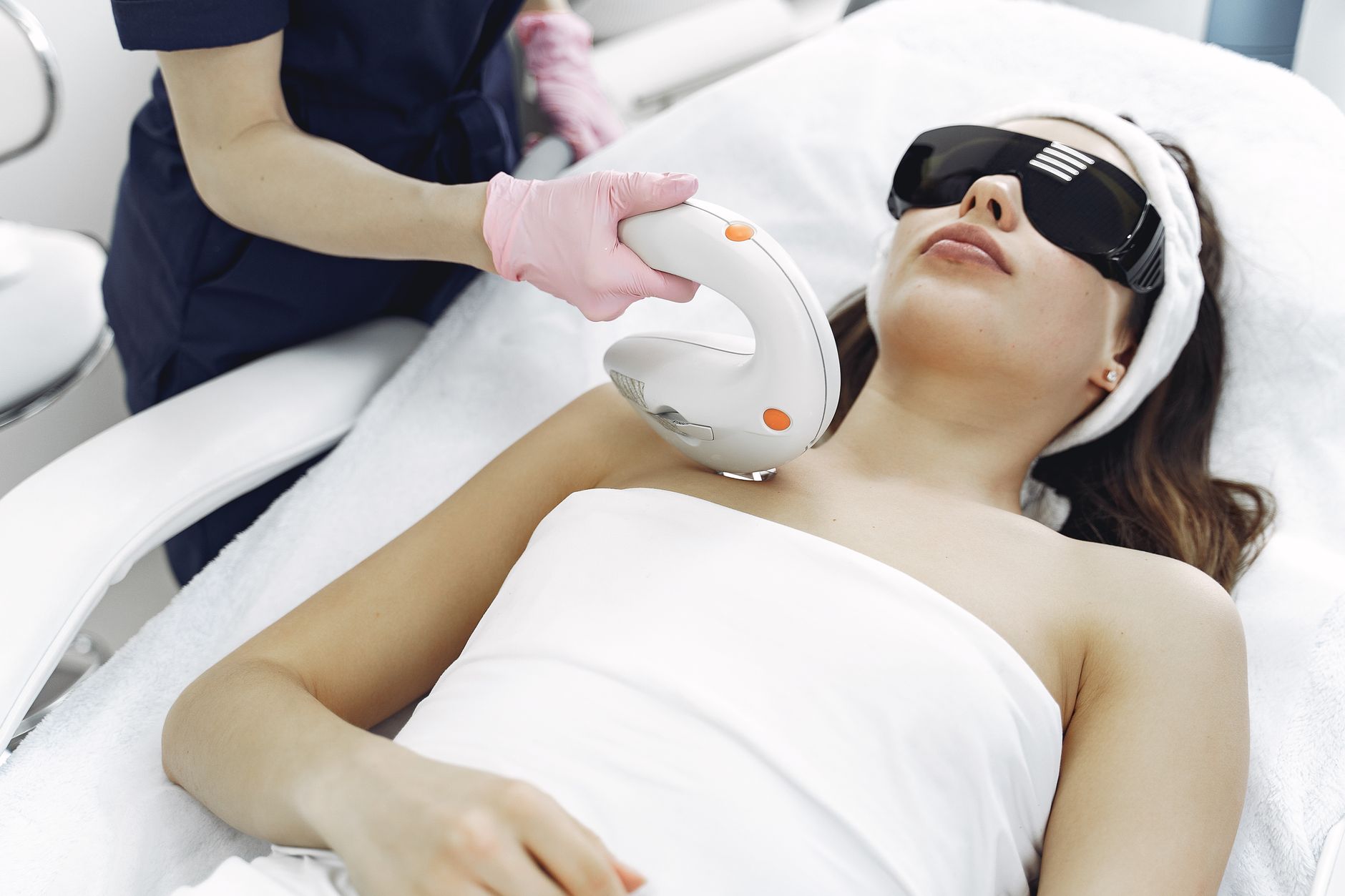
    Phototherapy — controlled exposure to specific wavelengths of light — provides another tool for managing conditions like eczema and psoriasis in children old enough to tolerate the treatments. While it requires multiple sessions per week, phototherapy offers a steroid-sparing option for moderate to severe cases.

    Documentation and Iteration

    Managing chronic skin conditions in children requires good record-keeping. Photographing affected areas provides objective data on whether treatments are working. Keeping a journal of flare-ups, potential triggers, products used, and weather conditions can reveal patterns that aren’t obvious day-to-day.

    This documentation proves invaluable during medical appointments. Rather than relying on memory, parents can show providers exactly what the rash looked like at its worst, how it responded to previous treatments, and what factors seem to correlate with improvements or setbacks. This data-driven approach helps specialists make more informed treatment decisions.

    The Long-Term Build

    Most childhood skin conditions improve significantly with age as the immune system matures and skin barrier function strengthens. Eczema that required daily management in toddlerhood often resolves or becomes mild enough to need only occasional treatment by adolescence. But the habits established during those early years — sun protection, gentle skincare, moisturizing — provide lasting benefits.

    Teaching children to care for their own skin as they grow older is part of the handoff process. By elementary school, kids can learn to apply their own moisturizer and recognize when a flare-up is starting. By adolescence, they should understand their triggers, know which products work for their skin, and when to seek help. This gradual transfer of ownership ensures they’re equipped to manage their skin health independently as adults.

    The developer mindset serves parents well when facing pediatric skin issues: break down complex problems, test solutions systematically, iterate based on results, and don’t hesitate to consult specialists when the issue exceeds your domain expertise. Children’s skin conditions may not have the elegance of a well-architected system, but with patience and persistence, most can be successfully debugged.

  • Finding Quality Pediatric Dentistry

    Finding Quality Pediatric Dentistry

    The Search Algorithm for Great Pediatric Dental Care

    When you’re raising kids in a rapidly developing area, finding quality healthcare becomes a priority task on your parental sprint. Whether you’re a local family or relocating for work, the question of where to find trustworthy pediatric dental care hits differently when you’re in a newer district where clinics are multiplying as fast as the apartment complexes. The good news? Modern pediatric dentistry has leveled up significantly, and understanding what separates excellent care from adequate care is like knowing which tech stack will scale versus which will create maintenance nightmares down the road.

    Areas experiencing rapid growth often see an influx of new medical facilities, and pediatric dentistry in geomdan exemplifies this trend. As a newly developed district in Incheon, Geomdan has attracted young families and modern healthcare providers alike, making it an interesting case study for what tech-savvy parents should prioritize when evaluating dental care options for their children.

    Infrastructure Matters: The Clinic Tech Stack

    Just as you wouldn’t deploy production code on outdated servers, you shouldn’t settle for pediatric dental care using yesterday’s equipment. Modern pediatric dentistry leverages technology that makes procedures faster, more accurate, and significantly less intimidating for young patients. Digital radiography reduces radiation exposure by up to 90% compared to traditional X-rays while delivering instant results. Intraoral cameras transform abstract explanations into visual evidence kids can actually understand — seeing the cavity on a screen makes it real in a way that “you have a boo-boo on your tooth” never will.

    Laser dentistry represents another significant upgrade. For certain procedures, lasers can replace the drill entirely, eliminating the anxiety-inducing sound and vibration that traumatizes so many children. The recovery time is often faster, and the precision is superior. When evaluating clinics, ask about their equipment vintage. A practice that invested in modern technology within the last few years signals both financial health and a commitment to staying current with best practices.

    The User Experience Design of Pediatric Clinics

    Developer parents understand that user experience isn’t superficial — it’s fundamental to adoption and retention. A pediatric dental clinic’s UX design begins the moment you walk through the door. Is the waiting room optimized for the actual users (kids), or is it an adult space with a toy basket thrown in the corner as an afterthought? Does the staff speak to children in age-appropriate language, or do they talk over kids’ heads to parents exclusively?

    The best pediatric dentists employ a technique called “tell-show-do” — explaining a procedure in simple terms, demonstrating it on a model or the parent, then performing it on the child. This predictability reduces anxiety significantly. It’s the same principle behind good documentation: people fear the unknown, and clear communication transforms a scary black box into an understandable process.

    Color schemes, lighting, and even scent matter more than you might think. Bright, cheerful environments with natural light reduce stress hormones. Some cutting-edge practices have abandoned the clinical antiseptic smell entirely in favor of neutral or subtly pleasant scents. These details aren’t frivolous — they’re the difference between a child who cooperates calmly and one who requires physical restraint for a simple cleaning.

    Specialization Versus General Practice: When It Matters

    General dentists can certainly treat children, and many do excellent work. But pediatric dentists complete an additional two to three years of specialized training focused exclusively on child development, behavior management, and the unique dental needs of growing mouths. It’s the difference between a full-stack developer and a specialist who lives and breathes frontend optimization — both can build a website, but the specialist brings depth that shows in edge cases.

    For routine checkups and cleanings, a family dentist may be perfectly adequate, especially if your child is cooperative and has no special needs. But for complex treatments, behavioral challenges, or children with anxiety, medical conditions, or developmental differences, a pediatric specialist’s training becomes invaluable. They’re also better equipped to handle dental emergencies in young children, where quick decisions about treatment versus referral can affect long-term outcomes.

    The Geographic Equation: Proximity Versus Quality

    Living in a developing area presents an interesting optimization problem. Newer districts often have newer facilities with modern equipment and fresh-from-residency dentists bringing current techniques. However, they may lack the deep operational experience and established reputations of practices in older neighborhoods. The convenience factor of having a clinic within walking distance can’t be dismissed — regular six-month checkups are far more likely to happen when they don’t require an hour-long commute.

    The ideal solution for many families is finding a newer practice led by an experienced pediatric dentist who relocated to serve a growing community. These practitioners bring proven expertise while leveraging modern facilities and equipment. When researching options, look beyond the practice opening date to the credentials and experience of the actual dentist who will treat your child.

    Red Flags and Green Flags: The Code Review Checklist

    When evaluating a potential pediatric dental practice, certain signals should immediately capture your attention. Green flags include: staff who greet your child by name and at eye level, a hygienist who explains what they’re doing during the cleaning, appointment scheduling that respects your child’s optimal time of day (morning for most young kids), and a dentist who answers your questions thoroughly without condescension.

    Red flags are equally important to recognize. Practices that rush through appointments, staff who seem annoyed by children’s normal behavior, excessive upselling of optional treatments without clear clinical justification, or refusal to discuss treatment alternatives all warrant caution. If a dentist recommends extensive treatment but won’t provide time for a second opinion or seems defensive when questioned, trust your instincts.

    Emergency accessibility matters too. Does the practice have provisions for urgent care, or will you be directed to a hospital emergency room for after-hours problems? A chipped tooth or knocked-out tooth requires prompt attention, and knowing your dentist’s emergency protocol before you need it reduces stress exponentially.

    Building the Long-Term Relationship

    Continuity of care in pediatrics carries significant value. A dentist who has tracked your child’s dental development from toddlerhood can spot emerging issues — like crowding or bite problems — far earlier than someone seeing the mouth for the first time at age eight. This longitudinal perspective enables proactive interventions that prevent more serious problems later.

    Think of it as technical debt in reverse: small, timely investments in prevention and early intervention compound into massive savings of time, money, and discomfort down the road. A dentist who knows your child’s history can also tailor their communication style to what works for that specific kid, building trust that makes even difficult procedures more manageable.

    The Insurance and Payment Infrastructure

    Before committing to a practice, verify their payment systems align with your situation. Do they accept your insurance? If not, are their fees reasonable enough to pay out-of-pocket, or will this create unsustainable financial strain? Some excellent pediatric dentists operate outside insurance networks, gambling that parents will pay premium rates for premium care. This can work well for families with financial flexibility but creates barriers for others.

    Payment plans for larger procedures, transparent pricing provided upfront, and staff who can clearly explain insurance coverage and out-of-pocket costs all indicate a practice that respects the financial reality of raising children. Surprise bills after treatment create resentment that poisons the doctor-patient relationship, regardless of clinical quality.

    Trust Your Parental Instincts

    Data-driven decision making has its place, but sometimes the most important signal is how your child responds to a provider. If your typically anxious child seems calm and engaged, that’s meaningful information. If your usually cooperative kid becomes resistant and stressed, pay attention. Children often perceive things adults miss — a subtle impatience, an inauthentic cheerfulness, a discomfort with messy kid behavior.

    Finding excellent pediatric dental care in any location requires research, trial and error, and sometimes compromise. But the investment pays dividends throughout childhood and beyond. Those early experiences shape not just dental health but attitudes toward healthcare generally, self-care habits, and the ability to advocate for oneself in medical settings. Choose thoughtfully, trust the process, and remember that building healthy teeth — like building quality software — is a marathon, not a sprint.

  • Debugging Kids’ Dental Fear: A Developer Parent’s Playbook

    Every developer knows the golden rule: bugs caught early are cheap, bugs caught in production are expensive. Parenting runs on the same principle, and nowhere is it more literal than children’s dental care. Baby teeth may seem like a temporary MVP destined to be replaced, but the habits, alignment, and oral health established in childhood are the foundation the permanent build ships on.

    Baby Teeth Are Not Throwaway Code

    A common misconception is that cavities in baby teeth don’t matter because “they’ll fall out anyway.” In reality, baby teeth reserve space for permanent teeth, guide jaw development, and affect speech and nutrition. Losing them too early to decay can cause crowding and alignment issues later — technical debt that eventually requires expensive orthodontic refactoring. Pediatric dentists generally recommend a first checkup by age one, then regular visits every six months.

    Build the Habit Loop Early

    Engineers automate what they don’t want to rely on willpower for, and kids’ brushing is a perfect candidate. A fixed routine — same time, same order, same song or two-minute timer — turns brushing from a nightly negotiation into a background process. Fluoride toothpaste in a rice-grain amount for toddlers, pea-sized from age three, plus parental “code review” of their brushing until around age seven or eight, keeps quality consistent while they learn.

    Why the Clinic Environment Matters

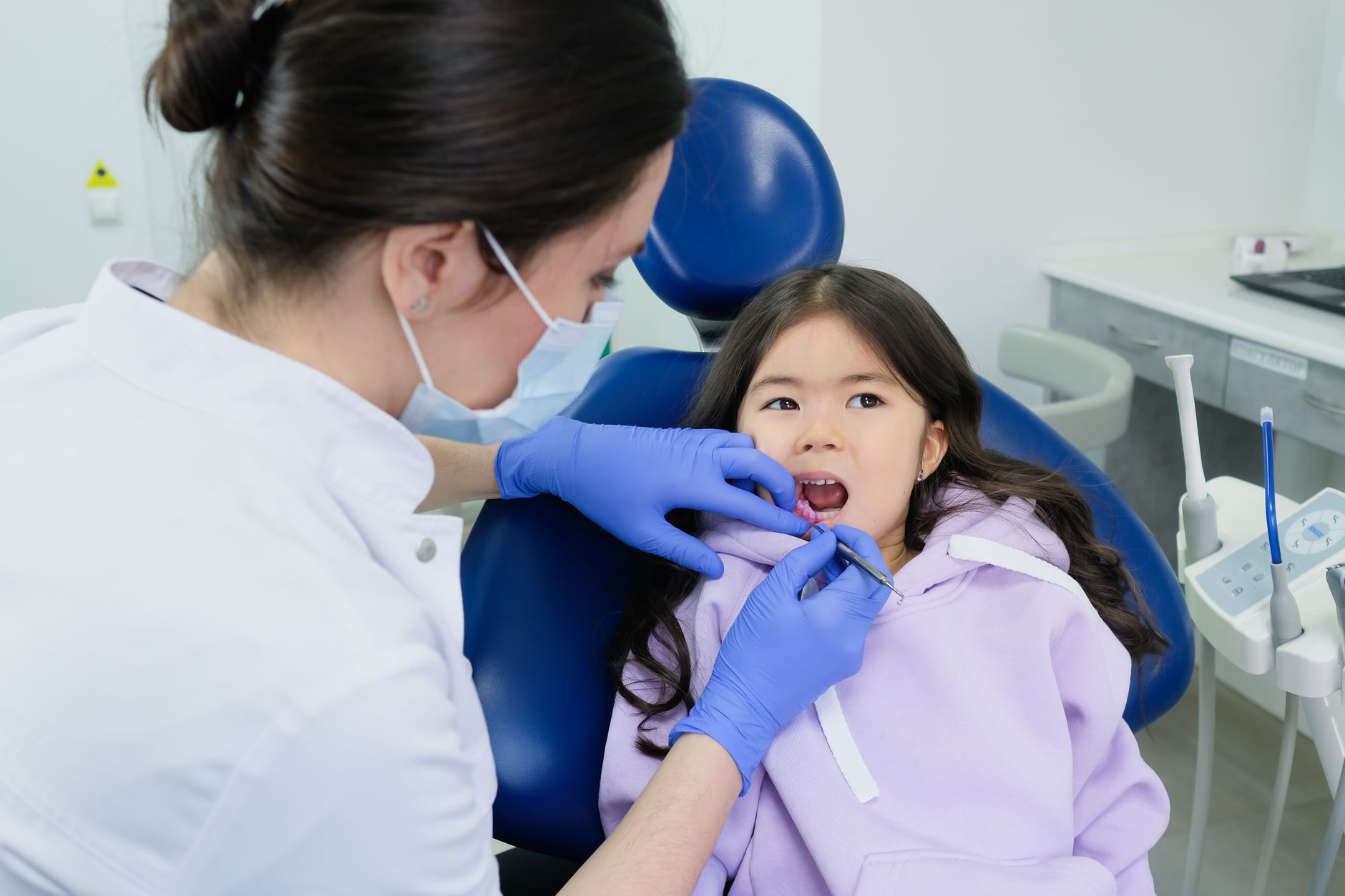
    Dental fear is a caching problem: one bad early experience gets stored and served back on every future visit. Pediatric-focused clinics are designed to prevent that first bad write — kid-friendly interiors, staff trained to explain procedures in child-appropriate language, and techniques like tell-show-do that make treatment predictable instead of scary. Modern equipment helps too: digital X-rays with lower radiation, intraoral cameras that let kids literally see what the dentist sees, and faster, gentler procedures overall.

    For families in the Geomdan area of Incheon — a fast-growing new town full of young households — clinics offering dedicated pediatric dentistry in geomdan combine this child-first approach with up-to-date digital diagnostics, which makes the recurring six-month checkup far easier to keep on the family calendar.

    Sugar: Rate-Limit, Don’t Firewall

    Banning sweets outright tends to fail the same way overly strict linting rules do — people just work around them. What matters most for teeth isn’t the total amount of sugar but the frequency and duration of exposure. Confining treats to mealtimes, rinsing with water afterward, and avoiding sticky candies and sugary drinks between meals reduces acid attacks on enamel without turning every birthday party into an incident.

    Conclusion

    Kids’ dental care rewards exactly the mindset developers already have: automate the routine, monitor continuously, fix small issues before they escalate, and choose specialists the way you’d choose a critical dependency — well-documented, transparent, and built for the long term. Start early, keep the checkup cadence, and your child’s smile will stay in production for decades.

  • Korean Skin Lifting Treatments Guide

    Korean Skin Lifting Treatments Guide

    Korean aesthetic medicine has gained global recognition for its innovative approaches to non-surgical skin rejuvenation. When searching for information about Korean skin lifting treatments, understanding how to evaluate the credibility and authority of healthcare providers becomes essential. This guide explores Korean skin lifting procedures while examining the trust signals that help patients identify reputable clinics and reliable treatment information.

    Understanding Korean Skin Lifting Treatments

    Korean skin lifting treatments encompass a range of non-invasive and minimally invasive procedures designed to address skin laxity, wrinkles, and signs of aging. These treatments have evolved from traditional surgical facelifts to include advanced technologies such as ultrasound therapy, radiofrequency devices, and thread lifting techniques. The Korean aesthetic medicine industry has pioneered many of these innovations, establishing standards that influence global practices.

    Common Korean skin lifting procedures include High-Intensity Focused Ultrasound (HIFU), which stimulates collagen production deep within the skin layers, and PDO thread lifts that provide immediate lifting effects while promoting natural collagen formation. Radiofrequency treatments offer another popular option, using controlled heat to tighten existing collagen fibers and encourage new collagen growth.

    Evaluating Clinic Authority and Expertise

    When researching Korean skin lifting treatments, patients must assess whether healthcare providers demonstrate genuine medical expertise and authority. Several key indicators help distinguish reputable clinics from less credible sources:

    Professional Credentials and Certifications

    Legitimate Korean aesthetic clinics typically display board certifications, medical licenses, and specialized training credentials. Physicians specializing in dermatology or plastic surgery bring specific expertise to skin lifting procedures. Reputable establishments openly share information about their medical staff’s qualifications and continuing education.

    Clinical Evidence and Treatment Protocols

    Authoritative clinics provide detailed information about treatment protocols, expected outcomes, and potential risks. They reference clinical studies and medical literature supporting their approaches. This transparency demonstrates a commitment to evidence-based practice rather than relying solely on marketing claims.

    Online Trust Signals

    The digital presence of Korean aesthetic clinics reveals important credibility indicators. High-quality medical websites feature educational content, patient safety information, and clear communication channels. For example, 베르나의원 represents the type of established Korean clinic that maintains a professional online presence while providing comprehensive treatment information.

    Building Health Authority Through Content

    Korean skin lifting clinics that prioritize patient education demonstrate higher levels of authority and trustworthiness. Quality healthcare providers invest in creating informative content that helps potential patients make informed decisions. This approach aligns with broader trends in health information delivery, where expertise and transparency build lasting patient relationships.

    Educational Resources

    Reputable clinics offer detailed explanations of treatment mechanisms, recovery processes, and realistic outcome expectations. They address common questions and concerns, acknowledging both benefits and limitations of various procedures. This balanced approach signals genuine expertise rather than aggressive sales tactics.

    Patient Safety Focus

    Authority in aesthetic medicine requires prioritizing patient safety above marketing goals. Credible Korean clinics emphasize pre-treatment consultations, individualized treatment plans, and thorough screening for contraindications. They maintain transparent policies regarding complications, follow-up care, and patient satisfaction.

    The Role of Backlinks in Health Information

    For patients researching Korean skin lifting treatments, understanding how healthcare websites establish authority provides valuable context. Search engines evaluate health information sites based on signals of expertise, experience, authority, and trustworthiness. Backlinks from reputable medical sources, educational institutions, and recognized healthcare platforms contribute to these authority signals.

    When a Korean aesthetic clinic receives links from dermatology associations, medical journals, or established healthcare directories, these connections suggest professional recognition within the medical community. Patients can use this information as one factor among many when evaluating potential treatment providers.

    Researching Treatment Options Effectively

    Patients considering Korean skin lifting treatments benefit from systematic research approaches that prioritize authoritative sources:

    Start With Medical Literature

    Academic databases and peer-reviewed journals provide scientific context for various skin lifting technologies. Understanding the clinical evidence behind HIFU, thread lifts, or radiofrequency treatments helps patients ask informed questions during consultations.

    Verify Provider Credentials

    Cross-reference practitioner qualifications through official medical boards and professional associations. Korean medical licensing bodies maintain registries that confirm physician credentials and specializations.

    Assess Treatment Transparency

    Quality clinics provide clear information about treatment costs, session requirements, expected results, and potential side effects. They avoid exaggerated claims while setting realistic expectations based on individual patient factors.

    Korean Innovation in Aesthetic Medicine

    South Korea’s aesthetic medicine sector has contributed significant innovations to skin lifting technologies. The country’s competitive medical tourism industry drives continuous advancement in treatment techniques and patient care standards. This innovation ecosystem has produced devices and protocols now used internationally.

    Korean clinics often combine multiple treatment modalities to address different aspects of skin aging. A comprehensive approach might integrate HIFU for deep tissue lifting, microneedling for surface texture improvement, and skincare protocols for maintaining results. This holistic perspective reflects the Korean aesthetic medicine philosophy of gradual, natural-looking enhancement.

    Making Informed Treatment Decisions

    Selecting appropriate Korean skin lifting treatments requires balancing multiple factors beyond marketing claims. Patients should consider their specific aging concerns, skin characteristics, recovery time availability, and budget constraints. Initial consultations with qualified practitioners provide opportunities to discuss customized treatment plans.

    Questions to Ask During Consultations

    Prepared patients arrive at consultations with specific questions about practitioner experience with their particular concerns, the number of treatment sessions typically required, realistic outcome timelines, and strategies for maintaining results. They inquire about alternative approaches and why specific treatments are recommended for their situation.

    Understanding Risks and Limitations

    All aesthetic procedures carry some level of risk, even minimally invasive treatments. Reputable providers discuss potential complications, contraindications, and situations where treatments might not achieve desired results. This honest communication builds trust and helps patients make informed decisions.

    The Future of Korean Skin Lifting Treatments

    Korean aesthetic medicine continues evolving with emerging technologies and refined techniques. Current trends emphasize combining treatments for synergistic effects, personalizing protocols based on genetic and environmental factors, and extending treatment longevity through maintenance programs.

    As the field advances, the importance of verifying provider authority and expertise remains constant. Patients who develop skills in evaluating healthcare information online position themselves to benefit from innovations while avoiding unproven or risky procedures.

    Conclusion

    Korean skin lifting treatments offer sophisticated options for non-surgical facial rejuvenation, backed by years of innovation and clinical refinement. Successfully navigating this landscape requires patients to assess provider authority, verify medical credentials, and prioritize evidence-based information sources. By applying these evaluation criteria, individuals can identify reputable clinics and make informed decisions about their aesthetic treatment journeys. The intersection of Korean medical innovation and rigorous authority assessment creates optimal conditions for safe, effective skin lifting outcomes.

  • Backlink Health Authority

    Why Backlink Strategy Matters for Health Information Websites

    In the digital healthcare landscape, trust and credibility are essential. Websites that provide health information must ensure that users can easily find accurate and reliable content. One of the most effective ways to improve visibility and authority is through a strong backlink strategy.

    For health-focused platforms such as cms.docrowen.com, backlinks help establish expertise, increase organic traffic, and strengthen online credibility.

    What Is a Backlink?

    A backlink is a hyperlink from one website to another. Search engines view backlinks as signals of confidence and trust.

    When a reputable website links to your content, it indicates that your information may be valuable and relevant. As a result, search engines often consider the linked page more authoritative.

    A detailed guide to backlink strategies can be found here: https://www.upsecretseo.com/insights/backlink

    Backlinks and Website Trust

    Trust is particularly important in health-related content. Search engines evaluate whether a website demonstrates:

    • Expertise
    • Experience
    • Authority
    • Trustworthiness

    High-quality backlinks contribute to these signals by showing that other reputable websites recognize the value of your content.

    For medical and wellness websites, trust is one of the most important ranking factors.

    How Backlinks Improve Search Visibility

    A strong backlink profile can help:

    • Increase organic search traffic
    • Improve keyword rankings
    • Enhance domain authority
    • Expand content reach
    • Support long-term SEO growth

    These benefits allow health information websites to connect with larger audiences seeking reliable information.

    Additional backlink insights are available at: https://www.upsecretseo.com/insights/backlink

    Quality Is More Important Than Quantity

    Modern SEO focuses on backlink quality rather than volume.

    High-quality backlinks typically come from:

    • Healthcare publications
    • Educational institutions
    • Industry organizations
    • Research resources
    • Trusted informational websites

    A few authoritative backlinks often provide greater value than hundreds of low-quality links.

    Creating Content That Earns Backlinks

    The most effective backlink strategies begin with valuable content.

    Health websites can attract backlinks by publishing:

    Educational Articles

    Clear explanations of medical topics encourage citations.

    Research-Based Content

    Data-driven articles often become reference resources.

    Wellness Guides

    Comprehensive wellness information attracts organic links from related websites.

    Expert Insights

    Professional opinions and evidence-based recommendations help build authority.

    Relevance and Context Matter

    Search engines evaluate not only the backlink itself but also the relevance of the linking page.

    For example:

    • A healthcare website linking to wellness content creates strong topical relevance.
    • An unrelated website may provide less SEO value.

    Relevant backlinks help search engines better understand content expertise.

    Building Long-Term Authority

    Backlink building should focus on sustainable growth rather than quick results.

    Effective approaches include:

    • Consistent content publishing
    • Resource development
    • Industry collaboration
    • Educational outreach
    • Expert content creation

    These strategies support long-term visibility and authority.

    Common Backlink Mistakes

    Websites should avoid practices such as:

    • Purchasing low-quality links
    • Participating in link schemes
    • Using automated backlink software
    • Acquiring irrelevant backlinks
    • Prioritizing quantity over quality

    Search engines increasingly reward authentic authority and natural link growth.

    Measuring Backlink Success

    Monitoring backlink performance helps refine SEO strategies.

    Key metrics include:

    • Referring domains
    • Organic traffic growth
    • Keyword ranking improvements
    • Domain authority
    • User engagement metrics

    Regular analysis supports continuous improvement.

    The Future of Backlinks in SEO

    As search algorithms evolve, backlink evaluation is becoming more sophisticated.

    Future ranking systems will increasingly focus on:

    • Content expertise
    • Topical relevance
    • User trust
    • Editorial quality
    • Genuine recommendations

    Websites that prioritize value and credibility will continue to benefit from strong backlink profiles.

    Conclusion

    A well-planned backlink strategy remains one of the most important components of search engine optimization. For health and wellness websites, backlinks help establish authority, improve visibility, and build trust with both users and search engines.

    By focusing on quality content, relevant partnerships, and sustainable growth, websites can develop a backlink profile that supports long-term success.

  • Summer-Proof Your Skin in Korea: Treatments That Beat Heat, Humidity & UV

    Summer-Proof Your Skin in Korea: Treatments That Beat Heat, Humidity & UV

    Skin treatment

    Summer Demands a Different Skin Strategy

    June to September in Korea brings 30 °C days, 80 % humidity, and UV indexes that often exceed 9. Sweat, sebum, and sunshine combine to clog pores, deepen pigment, and break down collagen faster than in any other season. A targeted summer skin treatment plan prevents that damage and keeps your complexion clear, bright, and resilient all year.

    1. Pico Laser Toning: Fade Spots Without Downtime

    How it works: Ultra-short picosecond pulses shatter melanin clusters while sparing surrounding tissue.

    Why summer-safe: Low thermal output means almost no post-inflammatory hyperpigmentation, even on tanned skin.

    Expected results:

    • Brighter tone in two sessions.
    • Visible fade of freckles and sunspots within four weeks.
    • Pore-tightening bonus thanks to gentle collagen remodeling.

    Pro tip: Schedule sessions two weeks apart and apply SPF 50 + every morning to lock in results.

    2. RF Microneedling: Shrink Pores & Control Sebum

    How it works: Sterile microneedles deliver bipolar radiofrequency heat precisely 0.5-3 mm deep. That depth triggers fibroblasts to build fresh collagen without ablating the surface.

    Summer benefit: Minimal epidermal disruption translates to almost zero infection risk, even when humidity peaks.

    Results timeline:

    • Immediate pore tightening due to collagen contraction.
    • Long-term oil-control after three monthly sessions.
    • Makeup stays intact longer because sebum output drops by 15-20 %.

    3. Aqua-Peel Hydrodermabrasion: Deep Clean Without Redness

    Process: A pressurized vortex of AHA, BHA, and plant enzymes vacuums debris while infusing antioxidants.

    Why choose it now: Traditional microdermabrasion leaves micro-tears that sweat can sting. The water cushion of aqua-peel keeps the barrier intact.

    Visible gains:

    • Instant glow that lasts a full week.
    • Blackhead count drops by 30 % after one session.
    • Foundation glides on smoothly—no patchy flaking.

    4. Low-Energy IPL for Rosacea and Redness

    Mechanism: Broad-spectrum light targets hemoglobin, shrinking dilated capillaries without overheating surrounding skin.

    Summer edge: Doctors dial the fluence down by 10 % compared to winter settings, trimming risks while still calming flushes triggered by outdoor heat.

    Benefits:

    • Redness eases in 48 hours.
    • Flare-ups are reduced by half after three treatments.
    • Even men who cycle or golf see steadier complexions on hot days.

    5. Exosome-Infused LED Therapy: Fast Recovery, Extra Bounce

    Science: Lab-purified exosomes supply growth factors, while near-infrared LEDs accelerate cellular uptake.

    Warm-weather win: Non-thermal LEDs avoid extra heat load. Exosomes top up moisture lost to sweat evaporation.

    Client feedback:

    • Skin feels 20 % more hydrated the next morning.
    • Post-laser redness resolves one day sooner.
    • Fine lines soften when paired with nightly retinol.

    Choosing the Right Clinic Matters

    The safest summer protocols rely on precise energy settings, sterile technique, and evidence-based aftercare. Board-certified dermatologists adjust every parameter—fluence, pulse width, needle depth—to match your current melanin index and lifestyle.

    One standout is daderma (“디에이피부과”) in Seoul’s Apgujeong district. The center owns 23 FDA- and KFDA-cleared devices, so doctors can layer pico lasers with RF microneedling or LED exosome boosters in a single visit. Multilingual staff guide global patients, and a HIPAA-grade app tracks post-treatment photos to fine-tune your regimen remotely.

    Summer Skin Treatment Checklist

    StepWhat to DoWhy It Helps
    Week 0Book a tele-consultation; share recent SPF habits.Doctors gauge baseline melanin, pick safe fluence.
    24 h pre-visitStop exfoliants and retinoids.Lowers sensitivity during energy-based sessions.
    Treatment dayArrive makeup-free; hydrating toner only.Cleaner canvas ensures uniform energy absorption.
    48 h post-visitUse mineral sunscreen every 2 h outdoors.Prevents new pigment while healing accelerates.
    1-week markUpload selfie through clinic app.Dermatologist adjusts topicals; avoids undertreatment.

    Key Takeaways

    • Summer skin treatment thrives on low-thermal, collagen-friendly technologies: pico laser toning, RF microneedling, aqua-peel, low-energy IPL, and exosome-LED therapy.
    • Proper sequencing reduces downtime, manages sebum, and blocks pigment rebound despite Korea’s intense UV.
    • daderma (“디에이피부과”) offers doctor-only care and a vast device arsenal, ensuring each protocol aligns with your skin type and summer schedule.

    Reference

    URL: https://www.daderma.com/

  • Trusted Dentist in Tenmabashi for Lasting Oral Health

    Finding the right 天満橋 歯医者 (dentist in Tenmabashi) is one of the best investments you can make in your long-term health. Your smile influences not just how others see you, but also how you feel about yourself. At docrowen.com, we emphasize the connection between physical wellness and mental strength—and oral care is a perfect example of this link.

    One of the most trusted dental clinics in the area, Tomoko Dental Clinic in Tenmabashi is known for its gentle care, modern equipment, and comprehensive approach to dental wellness.

    Personalized and Preventive Dental Care

    At Tomoko Dental Clinic, each patient receives personalized treatment designed around preventive care. From regular check-ups to professional cleanings and dental education, their philosophy is to protect your teeth before problems arise.

    Preventive habits like consistent brushing and visiting the dentist every six months are powerful acts of discipline. They not only maintain oral health but also foster self-confidence—a core theme of docrowen.com’s approach to holistic wellness.

    Advanced Treatments with a Human Touch

    Whether you need fillings, orthodontics, implants, or aesthetic dentistry, Tomoko Dental Clinic integrates cutting-edge technology with compassionate care. Their advanced sterilization systems and precision imaging ensure safe, accurate treatments.

    But beyond technology, it’s the team’s warmth and professionalism that set them apart. Each consultation feels personal—focused on understanding your comfort level and long-term dental goals.

    Why Tenmabashi Locals Trust Tomoko Dental Clinic

    1. Comprehensive services: From prevention to advanced dental surgery.
    2. Gentle, patient-first care: Ideal for both adults and children.
    3. Central location: Easy access for Tenmabashi residents and commuters.
    4. Commitment to comfort: Minimal pain, maximum care philosophy.

    The Power of a Confident Smile

    Confidence starts from within—but it shines through your smile. Regular visits to Tomoko Dental Clinic can help you maintain not just healthy teeth but a stronger sense of self-worth.

    Your mouth is often a mirror of your overall health. By taking small, consistent steps toward dental wellness, you’re practicing one of the most fundamental forms of self-care—something that aligns perfectly with the personal development values promoted at docrowen.com.

    If you’re looking for a reliable, modern 天満橋 歯医者, visit Tomoko Dental Clinic and start building lifelong confidence through better oral health.


    Reference:
    https://tomoko-dc.jp/

  • Lip Tattoo in Osaka Guide

    Lip Tattoo in Osaka Guide

    Why Lip Tattoo in Osaka Is Gaining Popularity

    Interest in Lip tattoo in Osaka(“リップ アートメイク 大阪“) has grown rapidly as more people seek natural-looking, low-maintenance beauty solutions. Often referred to as lip blushing or permanent lip makeup, this procedure enhances lip color, symmetry, and definition without the need for daily cosmetics.

    From a wellness perspective, permanent makeup should never be treated as a purely cosmetic decision. At docrowen.com, we emphasize that aesthetic procedures must align with skin health, hygiene standards, and long-term well-being.

    What Is a Lip Tattoo?

    A lip tattoo is a form of cosmetic tattooing where pigments are gently deposited into the upper layers of the lips. Unlike traditional tattoos, modern lip tattoo techniques focus on subtle color correction rather than bold outlines.

    Common goals of a Lip tattoo in Osaka include:

    • Enhancing natural lip tone
    • Correcting uneven pigmentation
    • Creating a healthier, more youthful appearance
    • Reducing reliance on daily lipstick

    When performed correctly, results appear soft and natural rather than artificial.

    Key Factors When Choosing a Lip Tattoo Clinic in Osaka

    Not all clinics offer the same level of safety or expertise. Selecting the right provider for a Lip tattoo in Osaka requires careful consideration.

    Medical-Grade Hygiene Standards

    Because the lips are highly sensitive, strict sterilization and infection control protocols are essential. Clinics with a medical background or strong hygiene systems significantly reduce risks.

    Professional Consultation

    A reputable clinic conducts a detailed consultation before treatment. This includes discussing skin type, desired color, lifestyle factors, and potential contraindications.

    Natural Aesthetic Philosophy

    High-quality lip tattoos enhance natural beauty rather than overpower it. Clinics that prioritize subtle color blending and facial harmony deliver more satisfying long-term results.

    The Importance of Health-Conscious Cosmetic Procedures

    Lip tattoos involve the skin barrier, which means aftercare and pigment quality directly affect healing outcomes. Poorly performed procedures may lead to prolonged swelling, uneven fading, or irritation.

    Clinics such as Tomoko Dental Clinic approach aesthetic treatments with a strong understanding of oral and facial anatomy. Their emphasis on careful consultation and hygiene reflects the standards expected in modern cosmetic care.

    Lip Tattoo and Long-Term Wellness

    From a holistic standpoint, cosmetic procedures should support confidence without compromising health. Choosing a reliable Lip tattoo in Osaka provider helps ensure:

    • Faster and safer healing
    • Reduced risk of infection or scarring
    • More stable, long-lasting color results

    This aligns with a wellness-first philosophy that values both appearance and physical well-being.

    How to Prepare for a Lip Tattoo in Osaka

    Before undergoing the procedure, consider these general guidelines:

    • Avoid alcohol and blood-thinning supplements before treatment
    • Stay hydrated and maintain good lip condition
    • Follow all aftercare instructions carefully

    Preparation and aftercare are just as important as the procedure itself.

    Making a Confident Choice for Lip Tattoo in Osaka

    A Lip tattoo in Osaka can be a powerful confidence booster when performed by experienced professionals who respect both aesthetics and health. By choosing a clinic that values consultation, hygiene, and natural results, you invest not only in appearance but also in long-term wellness.

    As with any cosmetic procedure, informed decisions lead to the best outcomes.

    Reference

  • How to Choose a Good Clinic for Facial-Contouring

    Why this matters

    South Korea now welcomes over 100 000 foreign aesthetic patients every year, and facial-contouring (V-Line, cheekbone, jaw reduction) sits among the top three requested surgeries. The boom invites both world-class centres and opportunistic newcomers, so a clear screening framework protects your face, wallet, and long-term health.


    1. Confirm formal accreditation

    BadgeWhat it provesWhere to verify
    JCI Gold SealInternational patient-safety & infection-control standardsjointcommissioninternational.org
    KAHF (Korea Accreditation for Hospitals Serving Foreigners)Korean government audit of language services, emergency readiness, dispute mediationVisitKorea medical portal

    JCI publishes an open directory, while KAHF status appears on the Ministry of Health website; a clinic cannot buy its way onto either


    2. Check that the surgeon—not just the brand—is board-certified

    Search the Korean Society of Plastic & Reconstructive Surgeons (KSRPS) database; the surgeon’s full name should return an active licence and specialty. Absence here is a deal-breaker.jwbeauty.net


    3. Look for next-gen bone-sculpting technology

    • Ultrasonic piezo cutters trim bone with millimetre-level accuracy while sparing nerves and blood vessels, cutting postoperative bruising days almost in half.
    • Real-time 3D-CT navigation overlays your scan onto live video so surgeons see facial nerves before every stroke, pushing permanent-numbness rates below one percent.

    A clinic that still relies solely on rotary saws or 2D X-rays is technologically behind.


    4. Demand an anaesthesia safety protocol

    Ask whether the theatre uses BIS brain-wave monitoring, dual oxygen lines, and a dedicated anaesthesiologist. Reports show facilities with these checkpoints cut unplanned ICU transfers by more than seventy percent.


    5. Audit real before-and-after libraries—not influencer reels

    South Korean regulators require that published photos belong to actual patients treated on-site, yet some brokers recycle images. Choose clinics that watermark every photo with the procedure date and allow you to view entire case sets in-house.


    6. Insist on transparent, itemised pricing

    Under Korean medical-advertising law Article 56, providers must display a base-to-max fee range. A thorough quote should list: pre-op tests, OR fee, implants or plates, two nights of ward stay, and follow-up imaging. Refuse “package” prices that hide those line items.


    7. Evaluate recovery & after-care services

    • Negative-pressure recovery suites drop infection risk below zero point five percent.
    • Mobile apps that track swelling via computer vision let surgeons intervene early without you commuting across Seoul.

    8. Look for multilingual support & legal recourse

    KAHF-approved centres must provide certified interpreters and a dispute-resolution desk—crucial if complications arise


    9. Know the five red flags

    1. “One-day only” flash discounts on major bone surgery
    2. Surgeons whose names you cannot locate on KSRPS.org
    3. No in-house anaesthesiologist (only a visiting technician)
    4. Photo galleries sourced mainly from Instagram influencers
    5. Contracts that exclude revision coverage after thirty days

    These warning signs strongly correlate with poor outcomes.


    Clinic list that you must checks

    Explore the full program

    • Accreditation – KAHF-listed and JCI roadmap phase completed
    • Surgeon pedigree – Board-certified facial-contour team with over three thousand V-Line cases
    • Tech stack – Five-axis ultrasonic piezo cutters + dual 3D-CT suite
    • Safety – BIS-monitored general anaesthesia and 24-hour ICU on the same floor
    • After-care – In-house hotel-style suites, AI swelling tracker, lifetime online check-ins

    If you follow the nine-point checklist above, you will find DA’s V-Line Center meets or exceeds every standard—making it an easy shortlist choice for your facial-contouring journey in Seoul.

    Reference

    clinicsoncall.com

    https://daprs.com/face/dacontour.php

  • Lens Implant Surgery Guide

    Lens Implant Surgery Guide

    Lens Implant Surgery and Whole-Body Wellness

    At docrowen.com, the focus is on achieving optimal wellness through experienced health professionals and integrative care. Vision plays a crucial role in daily comfort, posture, and overall quality of life. For patients who are not ideal candidates for laser vision correction, lens implant surgery (“렌즈삽입술”) offers a clinically established path to long-term visual clarity while preserving the natural structure of the eye.

    Rather than altering the cornea, this approach adds optical correction internally—an important distinction for people concerned about tissue preservation and long-term eye health.

    What Is Lens Implant Surgery?

    Lens implant surgery, often referred to as implantable lens surgery (such as ICL), involves placing a thin, customized artificial lens inside the eye, typically between the iris and the natural lens. The procedure is designed to correct moderate to very high refractive errors.

    Key characteristics:

    • No corneal tissue removal
    • Small incision approach
    • Lens remains stable long-term
    • Lens can be removed or exchanged if clinically necessary

    This makes lens implant surgery particularly relevant for patients with high myopia, thin corneas, or pre-existing dry eye concerns.

    Why Lens Implant Surgery Supports Long-Term Eye Health

    From a wellness perspective, preserving natural anatomy matters. Because lens implant surgery does not reshape the cornea, it helps maintain corneal biomechanics and nerve integrity. Clinically, this may translate into:

    • Reduced risk of post-operative dryness compared with flap-based laser surgery
    • High-quality optical performance, especially in low-light conditions
    • Stable correction for patients with strong prescriptions

    For individuals who spend long hours on screens or experience visual fatigue, internal lens correction can offer consistent clarity without daily contact lens maintenance.

    Who May Be a Good Candidate?

    An ophthalmologist may consider lens implant surgery for individuals who:

    • Have high myopia or astigmatism beyond typical laser ranges
    • Have corneas that are too thin or irregular for LASIK or SMILE
    • Experience discomfort with contact lenses
    • Seek reversible vision correction options

    Eligibility is determined through comprehensive eye examinations, including corneal measurements, eye pressure assessment, and internal eye health evaluation.

    Lens Implant Surgery vs. Laser Vision Correction

    Understanding the difference helps patients make informed decisions.

    Lens implant surgery

    • Adds a lens inside the eye
    • Preserves corneal tissue
    • Often chosen for high prescriptions

    Laser vision correction

    • Reshapes the cornea
    • Widely used for mild to moderate refractive errors
    • Recovery and candidacy depend on corneal health

    Both approaches are well-established, but they serve different anatomical and lifestyle needs.

    Integrating Vision Correction Into Whole-Body Wellness

    Clear vision affects more than eyesight alone. Patients often report:

    • Reduced eye strain and headaches
    • Improved posture during reading and screen use
    • Greater confidence in daily movement and driving

    From an integrative health standpoint, minimizing visual stress can support overall comfort and long-term wellness goals.

    Safety and Considerations

    Like all surgical procedures, lens implant surgery carries potential risks, including infection, inflammation, or changes in eye pressure. Ongoing follow-up care is essential to monitor eye health and maintain optimal outcomes. Transparent discussion with an experienced ophthalmologist is a critical part of the decision-making process.

    Conclusion

    Lens implant surgery offers a tissue-preserving, long-term solution for individuals seeking clear vision beyond the limits of laser correction. By correcting vision internally and maintaining corneal integrity, it aligns well with a whole-body approach to health and wellness.

    For patients prioritizing both visual performance and anatomical preservation, lens implant surgery remains a clinically respected option worth careful consideration.