When temperatures drop and the air turns dry, your skin becomes more vulnerable than ever. Winter skincare isn’t just about applying thicker creams — it’s about understanding how your skin behaves in cold, low-humidity environments and giving it the right care, both at the clinic and at home. Premium dermatology clinics like DA DOSAN (“디에이피부과”) emphasize hydration, gentle exfoliation, and barrier repair, but you can extend that care into your own daily routine with professional techniques adapted for self-care.
In this guide, we’ll walk through how dermatologists approach winter skin management and how you can build your own luxurious, at-home skincare ritual inspired by premium clinics in Korea.
Why Winter Skin Needs Special Attention
Cold air, indoor heating, and reduced humidity can all strip the skin of moisture. The lipid barrier — your skin’s natural defense — becomes compromised, leading to flakiness, redness, and sensitivity. Even oily skin types can experience dehydration during this season.
Premium dermatology specialists often emphasize that “hydration equals prevention.” Without moisture, your skin ages faster, heals slower, and becomes more reactive. That’s why Korean clinics often recommend multi-step hydration care during the winter months, focusing on layering lightweight hydrating products rather than relying on one heavy cream.
Step 1: Gentle Cleansing – Start Soft
Winter cleansing is all about preserving natural oils. Dermatologists recommend avoiding foaming cleansers that contain sulfates or strong surfactants. Instead, choose:
- Low-pH gel cleansers that maintain your skin’s acid mantle
- Cream or milk-based cleansers for dry and sensitive skin
- Micellar water for light morning cleansing
If you’ve recently undergone laser treatment or in-clinic procedures such as Thermage or Ultherapy, stick to hypoallergenic cleansers approved by your dermatologist. Cleansing twice daily is enough — over-cleansing only worsens dryness and irritation.
Step 2: The 3-Layer Hydration Rule
One of the key winter skincare secrets from premium dermatology clinics is multi-layer hydration. Rather than using a single moisturizer, dermatologists layer hydration products in this order:
- Hydrating Toner or Essence — delivers the first layer of moisture deep into the skin.
- Serum with Hyaluronic Acid, Panthenol, or Peptides — reinforces hydration and boosts elasticity.
- Barrier Cream or Emollient Moisturizer — seals everything in and protects from water loss.
Look for ingredients like ceramides, squalane, niacinamide, and centella asiatica extract, which help restore the skin’s natural barrier and soothe winter irritation.
Step 3: Smart Exfoliation – Less Is More
While exfoliation is essential for keeping the skin smooth and bright, winter demands a lighter approach. Instead of harsh scrubs or strong acids, dermatologists advise gentle chemical exfoliants with PHA (Polyhydroxy Acids) or low-dose AHA/BHA no more than once or twice a week.
Over-exfoliation can lead to micro-cracks in the skin barrier, causing redness and stinging — especially under dry indoor heating. Premium dermatology clinics often combine oxygen therapy or gentle enzyme peels to refresh dull skin without irritation.
At home, you can mimic this by using mild peeling pads or enzyme-based cleansers followed by a deeply hydrating mask.
Step 4: Mask Therapy for Deep Moisture
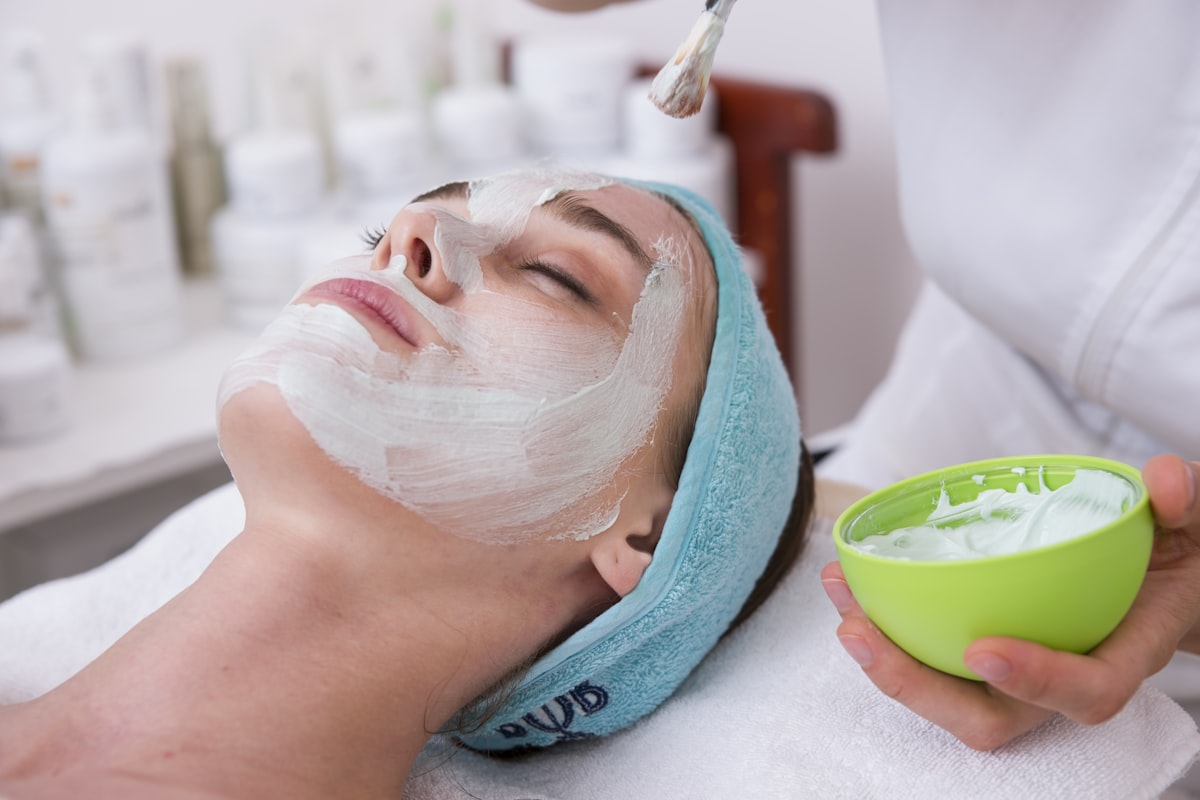
Weekly mask therapy is a signature winter treatment at many high-end Korean dermatology centers. Sheet masks rich in hyaluronic acid, collagen, and peptides can boost hydration levels instantly.
For home care:
- Apply sheet masks 2–3 times a week after cleansing and toning.
- Avoid alcohol-heavy masks, which can paradoxically dry the skin.
- Finish with a light massage using the leftover serum to improve circulation.
If your skin is dull or tired, use a sleeping pack as your final step at night. It locks in hydration and prevents moisture loss during sleep.
Step 5: Sunscreen – Even in Winter
A common winter skincare mistake is skipping sunscreen. UV rays may feel weaker, but UV-A penetration remains high year-round, leading to premature aging and pigmentation. Dermatologists insist on using broad-spectrum SPF 30 or higher, especially after in-clinic treatments.
Opt for sunscreens with zinc oxide or titanium dioxide if you have sensitive skin, and reapply every four hours when outdoors.
Step 6: Nutrition and Hydration from Within
Premium skincare isn’t only about what you apply — it’s about what you consume. Dermatologists often remind patients that internal hydration is as important as external.
- Drink at least 1.5–2 liters of water daily.
- Incorporate foods rich in omega-3 fatty acids, such as salmon, walnuts, and flaxseed.
- Add supplements with collagen peptides, vitamin C, and biotin to strengthen the skin barrier from the inside.
Step 7: Clinic-Enhanced Treatments for Winter
While home care is crucial, professional treatments can elevate your results. Many dermatology clinics offer winter-specific options like:
- HydraFacial and Aqua Peeling: deep cleansing and hydration for sensitive winter skin
- Laser Toning or MTS: promotes collagen regeneration
- RF Lifting and Ultrasound Therapy: firms sagging skin caused by dryness
- LED Therapy: soothes inflammation and strengthens barrier function
Consult your dermatologist to tailor treatments based on your skin type and recent exposure to the cold or sun.
Step 8: Building a Consistent Routine
The most effective skincare is the one you can sustain. Dermatologists recommend setting a realistic, five-minute morning and evening routine. Focus on hydration and protection during the day, and on recovery and repair at night.
Morning Routine Example:
- Gentle Cleanser
- Hydrating Toner
- Lightweight Serum
- Moisturizer
- Sunscreen
Evening Routine Example:
- Makeup Remover or Cleansing Milk
- Toner
- Rich Serum or Ampoule
- Barrier Cream or Sleeping Pack
Consistency ensures your skin remains supple and resilient all winter long.
Conclusion: Create a Spa-Level Experience at Home
Winter doesn’t have to mean dull, flaky, or irritated skin. With the right balance of professional insight and home-based care, you can maintain your skin’s natural glow even in harsh weather.
Premium dermatology clinics emphasize hydration, barrier protection, and personalized layering — principles you can easily adopt into your own daily routine. By paying attention to your skin’s needs and using products designed for winter defense, you can achieve a clinic-level glow from the comfort of your home.