As people enter their 50s and 60s, it’s common to notice the upper eyelids gradually drooping, giving the face a tired or sleepy appearance. This condition—known medically as ptosis—is not only a cosmetic issue but also a functional one, as it can interfere with vision and overall eye health.
In Korea and other advanced medical regions, ptosis and eyelid surgery have become some of the most sought-after procedures among middle-aged adults. These are precise ophthalmic and aesthetic surgeries that restore eyelid muscle function, improve the field of vision, and rejuvenate the eye area. Beyond beauty, they offer tangible medical benefits such as improved vision and reduced eye strain.
This guide explains the medical pros and cons of eyelid surgery, average cost ranges, recovery details, and essential factors to consider when choosing a hospital or clinic.
1. Understanding Ptosis and Why It Happens
Ptosis refers to the drooping of the upper eyelid caused by weakening or dysfunction of the levator muscle, which lifts the eyelid. The condition can be congenital (from birth) or acquired, typically due to aging, long-term contact lens wear, nerve injury, or trauma.
In adults aged 50 and above, the most common type is involutional ptosis, where the levator muscle tendon stretches over time. The eyelid skin also loses elasticity, making the droop more visible.
Symptoms include:
- Heaviness or fatigue in the eyelids
- Narrowed vision or difficulty seeing upward
- Frequent eyebrow lifting to compensate
- Asymmetrical eye shapes
Without correction, ptosis can cause chronic eye strain, headaches, and posture imbalance due to constant forehead muscle use.
2. Medical Benefits of Eyelid Surgery
While many people view ptosis correction as cosmetic, it is fundamentally a functional medical procedure that restores proper eyelid movement. Here are the main medical benefits of eyelid surgery:
- Improved Visual Field
When drooping eyelids obstruct upper vision, patients often lift their eyebrows or tilt their heads. After surgery, the expanded visual field reduces neck tension and eye fatigue.
- Relief from Eye Strain
By correcting drooping eyelids, the eyes no longer need to exert extra effort to stay open, reducing ocular fatigue and dryness—common complaints among adults in their 50s and 60s.
- Balanced Facial Expression
Eyelid surgery restores symmetry and natural balance, eliminating the tired look that often accompanies ptosis. The result is a refreshed, awake expression that still looks natural.
- Prevention of Further Muscle Weakening
Early surgical correction helps maintain levator muscle strength and prevents additional tissue laxity as aging progresses.
3. Types of Ptosis and Eyelid Surgery
Korean plastic and ophthalmic surgeons have developed tailored eyelid surgery techniques depending on the cause and severity:
- Levator Resection or Advancement: Tightens the levator muscle to restore lifting power.
- Frontalis Sling Surgery: Used for severe ptosis, connecting the eyelid to the forehead muscle using silicone or autologous fascia.
- Non-incisional (Suture) Method: Ideal for mild cases or patients seeking minimal downtime.
Modern clinics use digital eyelid analysis systems and intraoperative measurements to ensure symmetry and precision in every case.
4. Potential Risks and Drawbacks
Like any surgical procedure, eyelid surgery carries some risks, particularly in older adults with thinner skin and slower healing. Understanding these helps patients make informed choices.
4-1. Temporary Swelling or Bruising
Mild swelling for one to two weeks is normal. Cold compresses and prescribed medication help ease recovery.
4-2. Overcorrection or Undercorrection
If too much or too little muscle is adjusted, eyelids may appear uneven. Choosing an experienced surgeon minimizes this.
4-3. Dry Eyes or Tightness
As the eyelid’s motion changes, temporary dryness can occur but typically resolves as the eyes adapt.
4-4. Scar Visibility
Incisional eyelid surgery may leave faint scars that fade within months when performed with delicate suturing.
Overall, when done at a certified clinic with proper anesthesia and sterilization, complications remain rare.
5. Average Cost of Eyelid Surgery
The cost of eyelid surgery varies based on surgical method, hospital location, and surgeon expertise. In Korea, where medical precision meets artistry, costs are competitive compared to Western countries.
| Type of Eyelid Surgery | Average Cost (USD) | Recovery Time |
| Non-incisional Ptosis | 1,000–1,800 | 3–5 days |
| Incisional Ptosis | 2,000–3,500 | 7–14 days |
| Severe Ptosis (Frontalis Sling) | 3,500–5,000 | 2–3 weeks |
Many international patients travel to Seoul’s Gangnam medical district, known for combining ophthalmologic safety with aesthetic refinement.
6. Choosing the Right Hospital or Clinic
Choosing the right clinic is essential for successful eyelid surgery, especially for patients in their 50s or 60s.
6-1. Board-Certified Surgeons
Verify that your surgeon is certified by the Korean Society of Plastic and Reconstructive Surgeons or equivalent. Specialists with both medical and aesthetic training deliver safer, more natural results.
6-2. Advanced Medical Equipment
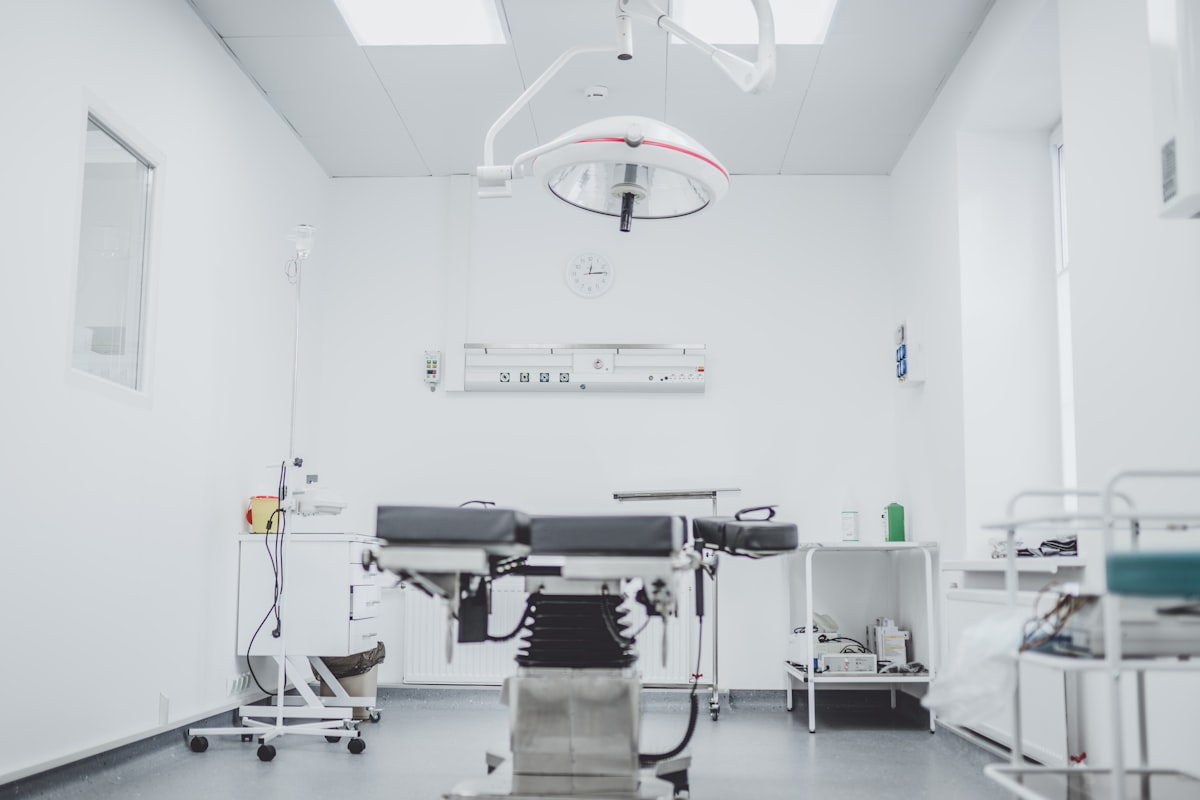
The clinic should have real-time monitoring, emergency systems, and sterile operating environments. 3D imaging and digital eyelid simulation help plan precise outcomes.
6-3. Transparent Consultations
A reputable clinic provides multiple consultations, detailed explanations, and realistic pre/post examples of eyelid surgery results.
6-4. Comprehensive Aftercare
Post-surgery treatments like LED therapy, cooling packs, and regenerative injections enhance healing and symmetry.
7. Recovery and Aftercare
Recovery from eyelid surgery typically takes one to two weeks. During this time:
- Keep your head elevated
- Apply cold compresses
- Use antibiotic eye drops
- Avoid rubbing the eyes or heavy exercise
By the third week, swelling subsides and the results appear more natural—eyes look brighter and more youthful without appearing overdone.
8. Medical and Emotional Impact
The benefits of eyelid surgery extend beyond looks. Many patients report better concentration, less fatigue, and improved self-confidence.
Medical studies show that functional ptosis correction can increase the upper visual field by over 20% and reduce eye strain-related headaches. The combination of medical improvement and aesthetic harmony creates both physical and psychological rejuvenation.
9. The Korean Approach to Eyelid Surgery
Korean surgeons are world leaders in natural and balanced eyelid surgery. Their techniques focus on proportional height, curvature, and function rather than excessive lifting.
Using microsurgical precision, digital diagnostics, and regenerative skincare, Korean clinics consistently achieve medically safe and aesthetically refined outcomes—making Seoul a top destination for both ptosis and eyelid surgery (“눈성형”) worldwide.
Conclusion: Restoring Function and Youth through Science
For adults in their 50s and 60s, eyelid surgery offers both medical correction and aesthetic rejuvenation. It enhances vision, relieves fatigue, and restores a youthful, alert appearance.
When selecting a clinic, prioritize medical expertise, technology, and aftercare. Done right, eyelid surgery becomes not merely a beauty procedure but a scientifically proven medical treatment that enhances vision, confidence, and overall quality of life.